When selecting pipe fittings for hot water distribution or heating installations, temperature resistance is one of the most important factors to consider. Piping components must withstand continuous exposure to hot water, pressure fluctuations, and repeated heating and cooling cycles without compromising connection performance. This is why PPSU fittings have become an increasingly attractive option for modern plumbing and heating systems.
But can PPSU fittings really be used for hot water and heating systems? The answer is yes. PPSU (polyphenylsulfone) is a high-performance engineering thermoplastic with excellent heat resistance, mechanical strength, and hydrolytic stability. These properties make it suitable for appropriately designed hot water and heating applications when the complete fitting system meets the required operating conditions.
TOP AQUA offers PPSU press fittings and PPSU Pull-On fittings designed for modern piping applications. With different connection structures and product configurations, these solutions provide options for plumbing contractors, distributors, and piping system manufacturers looking for reliable PPSU pipe fittings.
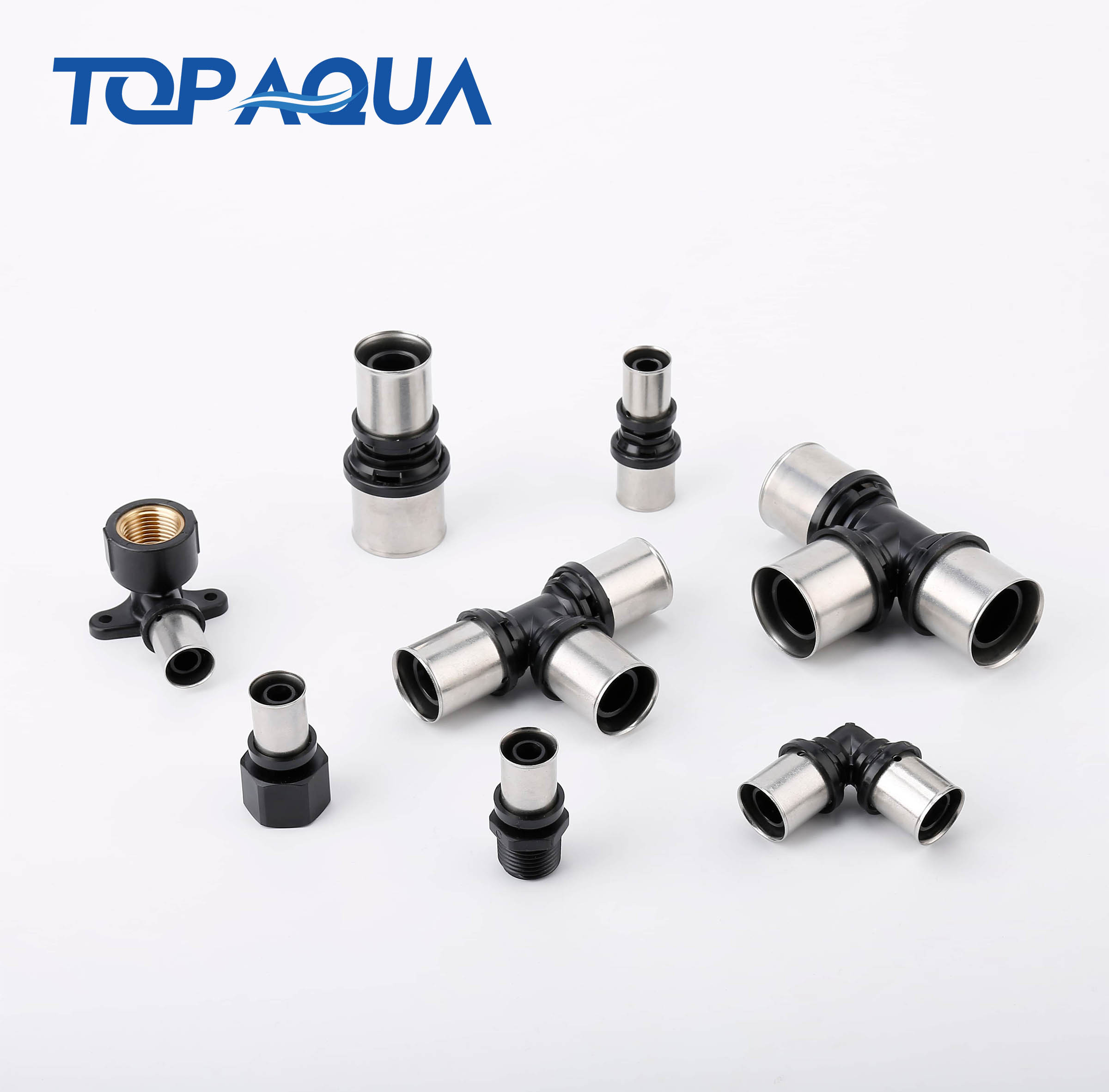
Can PPSU Fittings Be Used for Hot Water and Heating Systems?
Yes. PPSU fittings can be used in compatible hot water distribution and heating systems because PPSU has the material properties required for many high-temperature water applications.
Unlike ordinary thermoplastics that may experience significant performance changes under prolonged heat exposure, PPSU offers strong resistance to high temperatures, hot water, and hydrolysis. Its mechanical stability also makes it suitable for applications where fittings are exposed to repeated temperature changes and internal water pressure.
However, the suitability of a PPSU fitting depends on more than the raw material itself. The fitting structure, sealing components, connection method, pipe compatibility, operating pressure, and applicable product standards all influence the performance of the complete connection.
For example, TOP AQUA's PPSU F10 Multipress LBP fittings are specified with a maximum working pressure of 10 bar and a maximum operating temperature of 180°C on the product page. These are published product specifications and should not be interpreted as a guarantee of continuous operation at every temperature and pressure combination.
For actual heating projects, buyers should confirm the applicable pressure-temperature rating, design life, and installation requirements for the complete piping system before selecting a fitting.
Why Is PPSU Suitable for High-Temperature Water Applications?
PPSU, or polyphenylsulfone, is an engineering thermoplastic developed for applications requiring high mechanical performance and resistance to demanding environmental conditions. Its material characteristics make it particularly relevant to modern plumbing systems that transport hot and cold water.
Several properties explain why PPSU fittings are considered for hot water and heating installations.
Excellent heat resistance
PPSU maintains useful mechanical properties under elevated temperatures when used within the appropriate design limits. This makes it a suitable material for hot water piping connections where temperature stability is important.
TOP AQUA's PPSU F10 Multipress LBP product page specifies a maximum operating temperature of 180°C. Nevertheless, the actual allowable continuous operating temperature must be evaluated against the complete fitting design, pressure conditions, and manufacturer's technical documentation.
Strong hydrolytic stability
Hydrolytic stability refers to a material's ability to resist degradation caused by prolonged exposure to water, particularly at elevated temperatures. This property is important for hot water distribution systems, where fittings remain in contact with water throughout their service life.
PPSU offers good hydrolysis resistance, helping maintain its material performance in appropriately designed hot water applications.
Corrosion resistance
Unlike conventional metal fitting bodies, PPSU does not rust or undergo electrochemical corrosion in the same way. This can be beneficial in water distribution systems where corrosion resistance and long-term material stability are important considerations.
Mechanical strength and impact resistance
Pipe fittings must withstand installation forces, internal pressure, and temperature-related stresses. PPSU combines toughness with mechanical strength, making it a practical material for engineered plumbing connections.
Lightweight construction
PPSU fittings are generally lighter than comparable metal fitting components. Their lightweight construction can make transportation, handling, and installation more convenient, particularly when working with large quantities of fittings.
PPSU Fittings for Domestic Hot Water Systems
Domestic hot water systems require piping components that can maintain reliable connections under repeated temperature changes. Residential buildings, hotels, apartments, and commercial facilities all depend on consistent hot water distribution.
PPSU fittings can be considered for compatible hot water installations because of their heat resistance, corrosion resistance, and stability in water-contact environments.
Common application areas include:
- Residential hot water distribution: Connecting hot water supply pipes in kitchens, bathrooms, and other domestic water outlets.
- Commercial buildings: Supporting hot water distribution networks in hotels, offices, and apartment complexes.
- Public facilities: Providing connection solutions for compatible water supply systems in schools, hospitals, and other buildings.
- Renovation projects: Replacing or upgrading existing piping connections with compatible modern fitting systems.
For these applications, selecting the correct fitting size, connection type, pipe material, and sealing components is essential. The complete system must also meet local potable water requirements where drinking water is involved.
TOP AQUA's PPSU F10 Multipress LBP Fittings provide an option for hot and cold water distribution projects requiring multi-profile press connections.
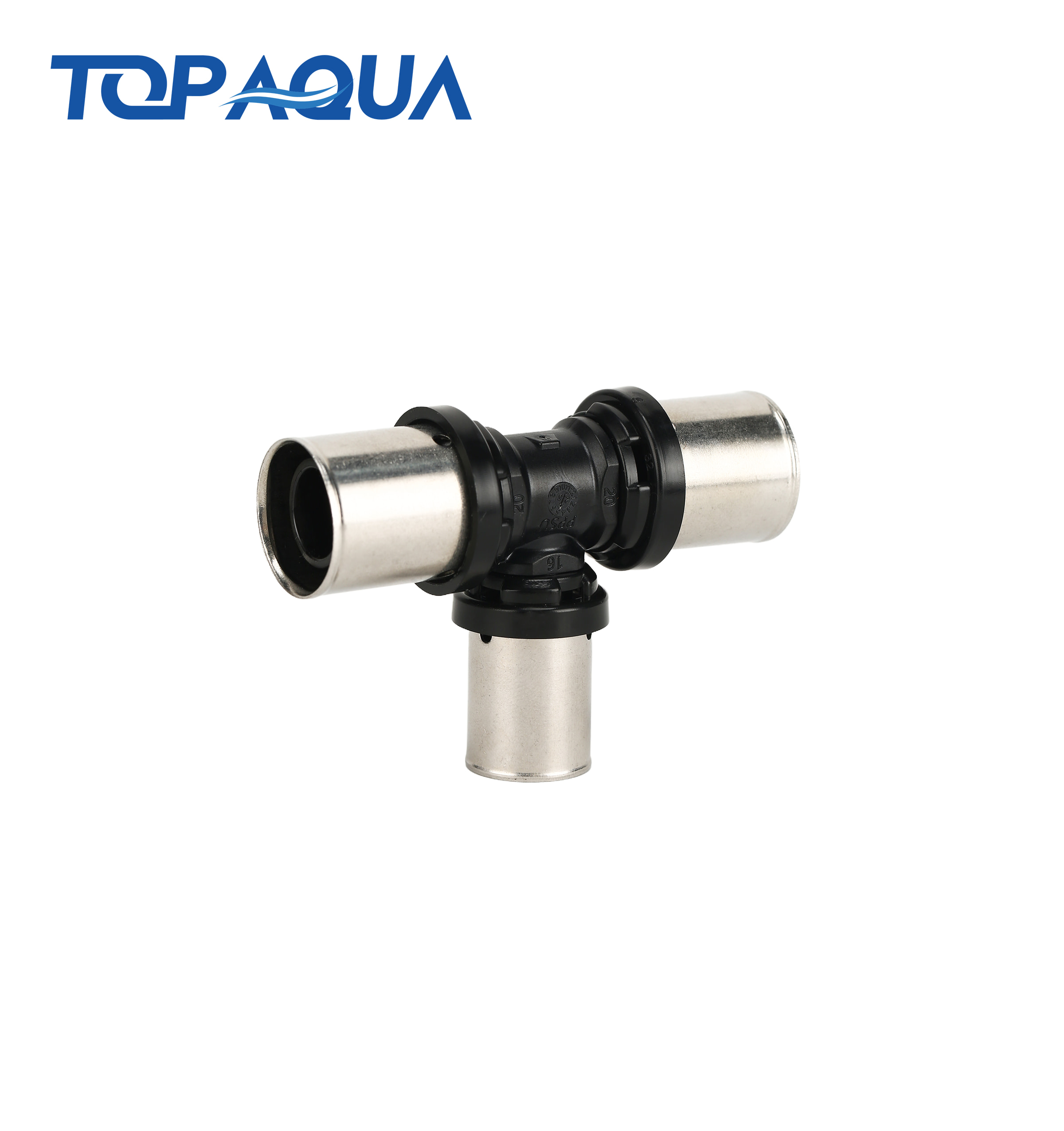
Are PPSU Fittings Suitable for Underfloor Heating Systems?
Yes, PPSU fittings can be considered for compatible underfloor heating systems, provided that their pressure and temperature ratings meet the requirements of the complete installation.
Underfloor heating systems distribute warm water through a network of pipes installed beneath the floor. Unlike conventional radiator systems, they typically operate with relatively controlled water temperatures and require reliable connections throughout the distribution network.
In these systems, fittings may be used to connect pipe sections, create branches, and integrate different parts of the heating circuit.
PPSU offers several properties that are relevant to this application:
- Resistance to hot water exposure under specified operating conditions.
- Corrosion resistance for long-term water-contact applications.
- Mechanical strength for properly designed pipe connections.
- Compatibility with selected multilayer and plastic piping systems when approved by the manufacturer.
- Lightweight construction for easier material handling and installation.
However, underfloor heating performance depends on the complete system, including the heating pipe, fitting, manifold, pump, temperature controls, and water quality.
For example, TOP AQUA provides Multilayer Aluminum Composite Pipes for plumbing and heating applications. Its PEX/AL/PEX and PERT/AL/PERT pipe specifications include a working temperature range of -40°C to 95°C and a working pressure of up to 1.0 MPa.
When selecting PPSU fittings for these pipes, installers should confirm that the fitting series is specifically compatible with the pipe dimensions and connection method.
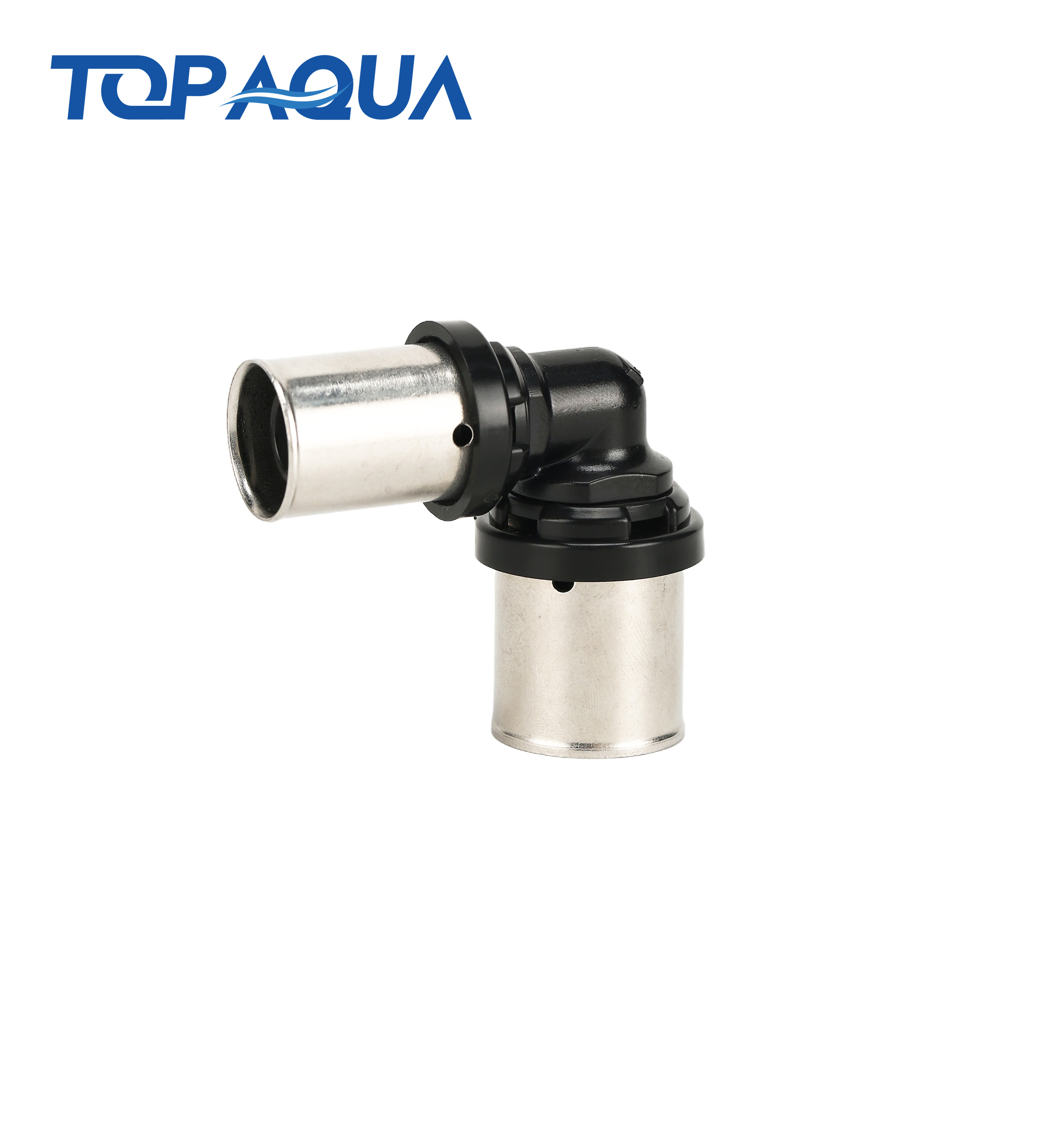
TOP AQUA PPSU Fittings for Hot Water and Heating Applications
TOP AQUA has developed PPSU fitting solutions for modern plumbing and piping systems, including Multipress and Pull-On connection designs. Each series serves different installation requirements, allowing distributors and project buyers to select a suitable connection method for their applications.
PPSU F10 Multipress LBP Fittings
TOP AQUA PPSU F10 Multipress LBP fittings feature a PPSU fitting body and a stainless steel press sleeve. The series is designed for compatible multilayer pipe connections and incorporates a Leak Before Press function to help installers identify unpressed connections during the appropriate pressure test.
One of its main advantages is compatibility with three press profiles: U, TH, and RFz. This multi-profile design offers greater flexibility for contractors and installers who use compatible pressing equipment.
The product range includes:
- PPSU equal elbows
- PPSU unequal elbows
- PPSU equal tees
- PPSU unequal tees
- PPSU equal straight unions
- PPSU unequal straight unions
Published product specifications include a maximum working pressure of 10 bar, a maximum operating temperature of 180°C, and AENOR certification. Buyers should request the relevant technical documentation to verify the applicable operating conditions and certification scope for the specific model.
For plumbing contractors and distributors looking for a versatile connection solution, the multi-profile design can help simplify equipment selection when the existing tools are compatible with the fitting system.
PPSU PF2 Pull-On Fittings
In addition to press connections, TOP AQUA offers PPSU PF2 Pull-On fittings for piping systems using a compatible axial or pull-on installation method.
These fittings feature a PPSU body and a PVDF pull-on sleeve. The sleeve is designed to secure the pipe after installation, providing a stable mechanical connection when the correct pipe preparation and installation procedures are followed.
The product range includes equal elbows, equal tees, unequal tees, and straight unions in different sizes.
Compared with press fittings, Pull-On fittings use a different connection structure and installation process. Therefore, installers must use the specified tools and follow the correct installation instructions rather than treating the two connection methods as interchangeable.
For projects that require a pull-on connection system, explore TOP AQUA PPSU PF2 Pull-On Fittings to review the available product configurations.
PPSU Press Fittings vs. Brass Fittings for Heating Systems
When selecting fittings for hot water and heating systems, buyers often compare PPSU with traditional brass fittings. Both materials have established applications in plumbing systems, but their properties and practical advantages are different.
PPSU is an engineering thermoplastic, while brass is a metal alloy. The best option depends on the system design, operating conditions, water quality, project budget, and installation preferences.
| Comparison | PPSU Fittings | Brass Fittings |
|---|---|---|
| Material | Engineering thermoplastic | Metal alloy |
| Weight | Lightweight | Generally heavier |
| Corrosion behavior | Corrosion-resistant | Depends on alloy and water conditions |
| Heat resistance | Suitable for specified high-temperature applications | Suitable for many hot water applications |
| Installation | Depends on press or Pull-On design | Depends on connection design |
| Typical considerations | Weight, corrosion resistance, thermal performance | Metal construction, mechanical requirements, alloy selection |
For projects prioritizing lightweight construction and corrosion resistance, PPSU can be an attractive alternative. Brass remains a practical choice for applications requiring metal fitting components and specific mechanical characteristics.
TOP AQUA also provides Brass F10 Multipress LBP Fittings for buyers who prefer metal press-fitting solutions.
What Should You Check Before Choosing PPSU Fittings for Heating Systems?
Although PPSU offers excellent material properties, not every PPSU fitting is automatically suitable for every heating installation. Product selection should be based on the technical requirements of the complete piping system.
Operating temperature and pressure
Check the maximum and minimum operating temperatures as well as the pressure conditions of the heating system. Temperature and pressure ratings must be evaluated together because the allowable operating pressure may change as temperature increases.
Pipe and fitting compatibility
Confirm that the fitting is designed for the selected pipe material, outside diameter, wall thickness, and connection method. Compatibility should be supported by the manufacturer's technical documentation.
Sealing component performance
O-rings and other sealing components play an important role in preventing water leakage. Their temperature resistance and material compatibility must match the intended application.
Connection and installation method
Different PPSU fittings may use different connection technologies. Press fittings require compatible pressing tools and jaws, while Pull-On fittings require their corresponding installation equipment. Incorrect tools or installation procedures can compromise connection reliability.
Product certifications and documentation
For commercial projects and international procurement, check relevant product certifications, test reports, and technical specifications. Certification should be verified against the exact product model and intended application rather than assumed from the raw material name alone.
TOP AQUA's PPSU fitting range includes products with AENOR certification. Buyers can review the available information through the TOP AQUA Plumbing Fittings and Piping Products section and request additional technical documents when necessary.
Why Choose TOP AQUA for PPSU Plumbing and Heating Fittings?
Choosing a PPSU fitting supplier involves more than comparing material specifications. Product consistency, manufacturing capabilities, technical support, and the availability of different connection solutions all influence the purchasing decision.
TOP AQUA FLOW CONTROL CO., LTD. is a piping system solution provider serving plumbing, water supply, gas, and heating applications. The company has more than 25 years of industry experience and provides a range of piping products for international customers.
Its product portfolio includes:
- PPSU Multipress LBP fittings
- PPSU Pull-On fittings
- Brass press fittings and Pull-On fittings
- Multilayer aluminum composite pipes
- Plastic pipes for plumbing and heating
- Water valves and heating manifolds
- Pressing tools and installation accessories
TOP AQUA also operates a dedicated PPSU manufacturing facility in Guangzhou, China, supporting the development and production of its PPSU fitting range.
For distributors, wholesalers, contractors, and OEM partners, having access to different fitting materials and connection technologies can make product selection and project sourcing more flexible.
Whether you are sourcing PPSU press fittings for domestic hot water systems or evaluating PPSU connections for underfloor heating projects, the key is to match the product specifications with the actual installation requirements.
If you are looking for PPSU fittings for hot water and heating systems, contact TOP AQUA to discuss your required sizes, connection types, technical specifications, and bulk purchasing needs.
Frequently Asked Questions About PPSU Fittings for Hot Water and Heating Systems
Can PPSU fittings be used for hot water systems?
Yes. PPSU fittings can be used in compatible hot water distribution systems because PPSU offers heat resistance, mechanical strength, and hydrolytic stability. The actual application must meet the fitting manufacturer's temperature and pressure specifications.
Are PPSU fittings suitable for heating systems?
Yes. PPSU fittings can be considered for compatible heating applications, including selected underfloor heating and water-based heating systems. Their suitability depends on operating temperature, pressure, pipe compatibility, sealing components, and applicable system requirements.
What temperature can PPSU fittings withstand?
The temperature rating depends on the specific fitting design and manufacturer. TOP AQUA PPSU F10 Multipress LBP fittings list a maximum operating temperature of 180°C on their product page. This figure should not be interpreted as a universal continuous operating temperature for every PPSU fitting or system.
Can PPSU fittings be used for underfloor heating?
Yes. They can be used in compatible underfloor heating systems when the fitting, pipe, and connection method meet the system's design requirements. Correct pressure-temperature ratings and installation procedures should always be verified.
What is the difference between PPSU press fittings and PPSU Pull-On fittings?
PPSU press fittings use a pressing tool and compatible jaw profile to create a mechanical connection. PPSU Pull-On fittings use a pull-on sleeve to secure the pipe. The two systems require different installation methods and corresponding compatible pipes.
Are PPSU fittings corrosion-resistant?
Yes. PPSU is a corrosion-resistant engineering thermoplastic and does not rust like conventional metal fitting bodies. This property makes it useful in appropriately designed water distribution applications.
Are PPSU fittings better than brass fittings for hot water?
Neither material is universally better. PPSU offers lightweight construction and corrosion resistance, while brass provides a metal fitting structure. The right choice depends on the operating conditions, water quality, project specifications, and installation requirements.
How do I choose the right PPSU fittings for a heating project?
Check the required pipe dimensions, operating pressure, temperature range, fitting connection type, sealing material, and relevant product certifications. Request the manufacturer's technical documentation to confirm that the selected fitting is suitable for the complete heating system.