PCD vs Metal Bond Tools Which One Is Better for Coating Removal

Choosing between PCD tools and metal bond diamond tools for coating removal depends mainly on the type of coating, its thickness, and the condition of the concrete surface. Although both types of tools are used in floor preparation work, they operate in very different ways and are suited to different stages of the process. Understanding these differences helps contractors select the right tooling and improve efficiency on site.


PCD Tools for Fast and Aggressive Coating Removal

PCD tools are designed specifically for the removal of coatings such as epoxy, glue, paint, and thick surface residues. Instead of grinding gradually, they use a scraping and shearing action that removes material quickly and prevents loading or glazing. In most heavy-duty coating removal projects, PCD coating removal tools are the primary choice because of their fast cutting speed and strong material removal capability.


Metal Bond Tools for Surface Cleaning and Preparation

Metal bond diamond tools like metal diamond grinding shoes are mainly used for concrete grinding and surface preparation rather than direct coating stripping. They are more effective after the bulk of the coating has been removed, helping to clean the surface and refine the concrete profile. In lighter coating situations or residue removal, they can still play a supporting role before polishing or further surface treatment.
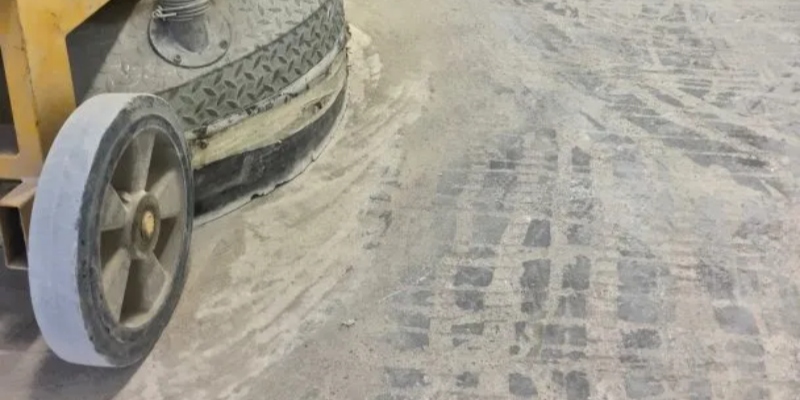

concrete floor coating removal


Application Differences in Real Projects

In real coating removal projects, PCD tools are typically used in the initial stage where fast removal is required. Once the main coating layer is removed, metal bond tools may be used to clean remaining residue and prepare the floor for the next grinding or polishing steps. This staged approach helps maintain efficiency while achieving a more consistent surface condition.


Conclusion

Overall, for coating removal applications, PCD tools are generally the more effective option due to their aggressive cutting action and higher removal speed. Metal bond tools, while not the primary removal solution, remain important for surface preparation and refinement after coating removal. In professional flooring work, using both tools in the correct sequence often delivers the best overall results.
When to Replace Diamond Tooling for Better Performance

Diamond tooling has transformed numerous industries by offering exceptional cutting, grinding, and polishing capabilities. However, like all tools, diamond tooling experiences wear and tear over time, which can lead to a decline in performance. To maintain optimal efficiency and productivity, it is essential to recognize when to replace diamond tooling.


One key factor to consider when assessing the need for diamond tooling replacement is the concentration of diamonds in the tool. As diamonds wear down during use, their concentration decreases, which directly impacts the tool’s efficiency and overall performance. When the diamond concentration falls below a certain level, the PCD coating removal tools become less effective, resulting in slower material removal rates, increased friction, and diminished product quality.


Another important aspect to examine is the condition of the diamond segments on the tooling. Over time, these segments of arrow segment diamond grinding cup wheel can wear down and become dull or chipped. Signs of significant wear include visible cracks, rounded edges, or a noticeable decrease in grinding speed. Damaged segments not only hinder performance but can also create safety hazards fro operators. Conducting regular inspections of the diamond segments and promptly replacing any that are worn out ensures that the tooling operates at its best, while also reducing the risk of accidents.


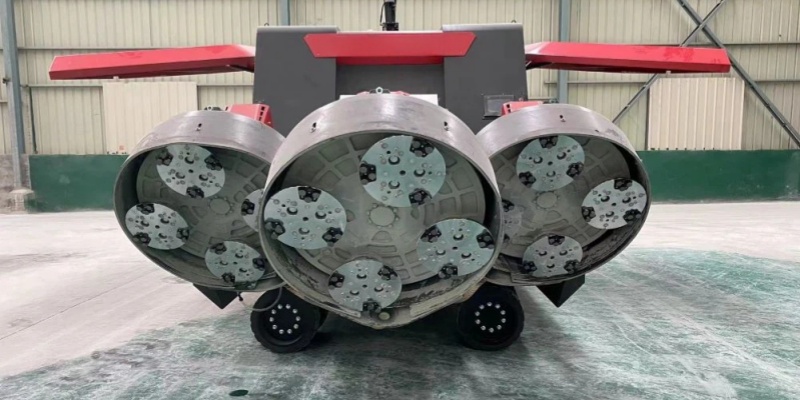
metal grinding pads for floor


Additionally, monitoring the overall wear pattern of the metal grinding pads for floor is important for assessing its lifespan. Various factors, such as the type of material being processed, operating conditions, and operator technique, can affect the wear rate. Establishing a baseline for tool life expectancy during initial use is crucial. By tracking performance and comparing it to this baseline, operators can better predict when replacement is necessary. Indicators of excessive wear include decreased grinding performance, increased vibrations, or uneven wear on the tooling surface. Being alert to these signs allows businesses to plan for timely replacements, reducing downtime and enhancing productivity.


Knowing when to replace diamond tooling is crucial to maintaining optimal performance and achieving the best results in grinding and polishing tasks. As a professional manufacturer and supplier of premium diamond grinding tools, TransGrind understands the importance of tool longevity and efficiency. Visit www.transgrindtools.com to explore our wide range of high-quality diamond tools that will help you achieve superior results in your grinding and polishing projects.