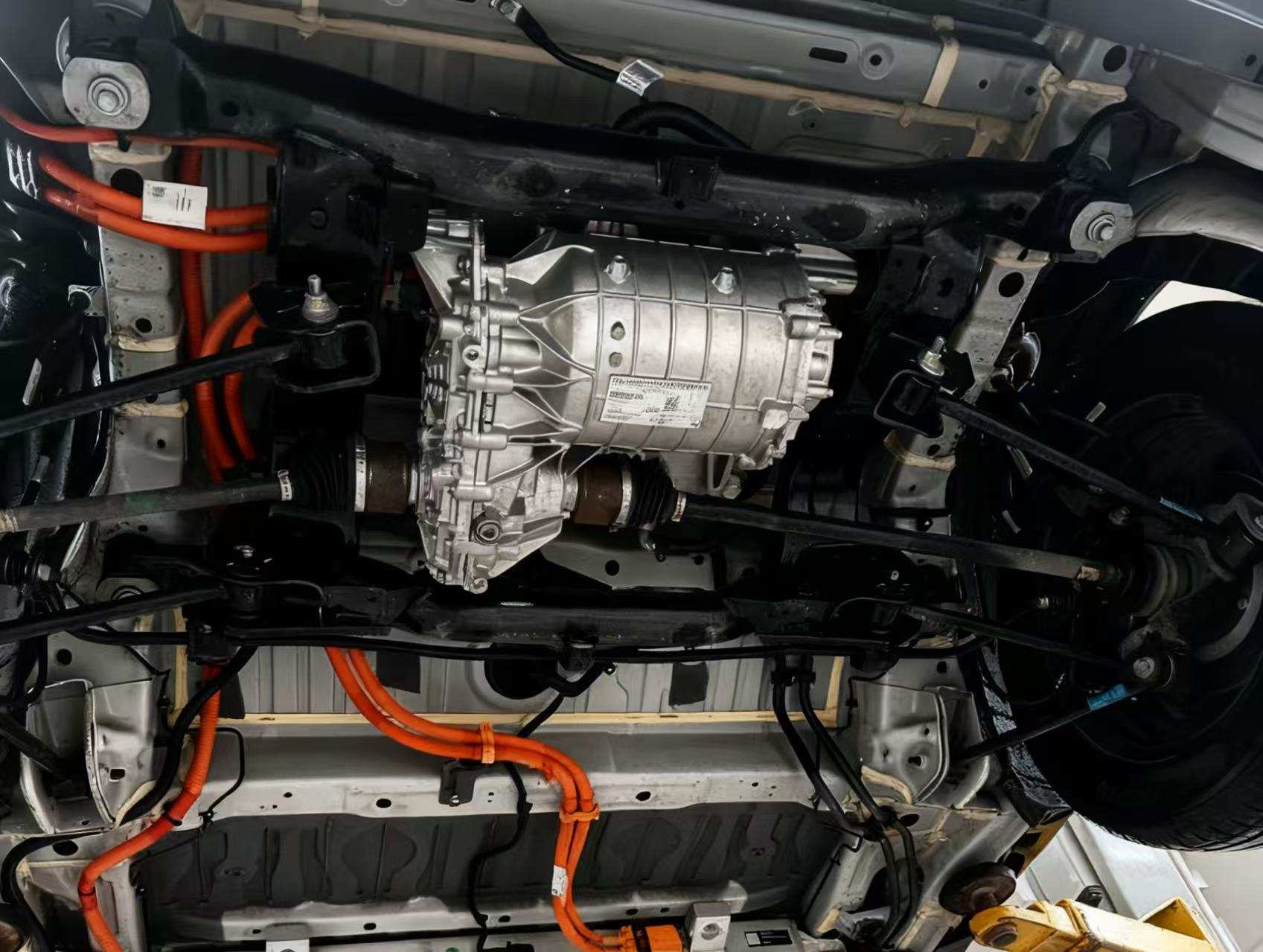
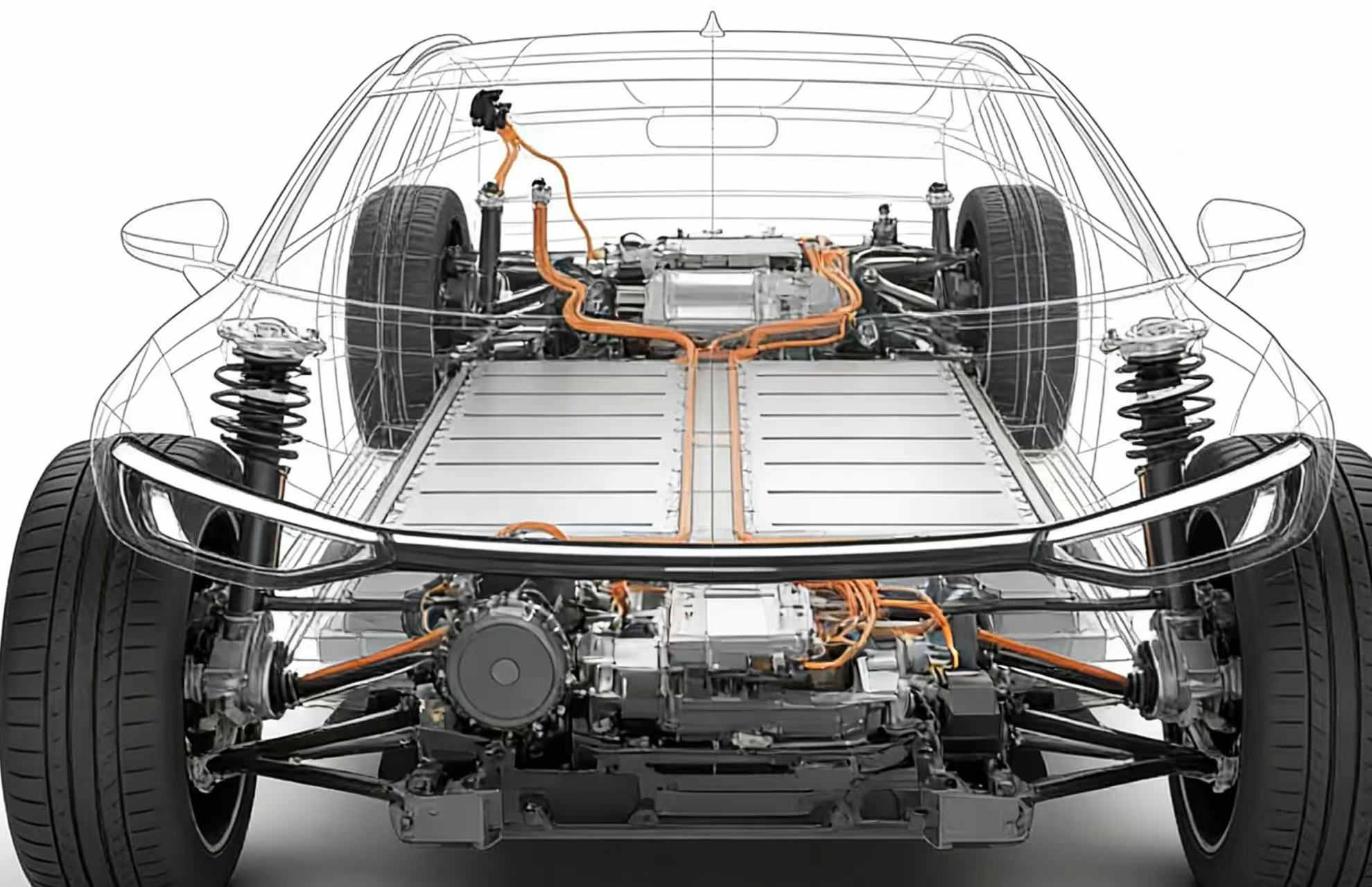
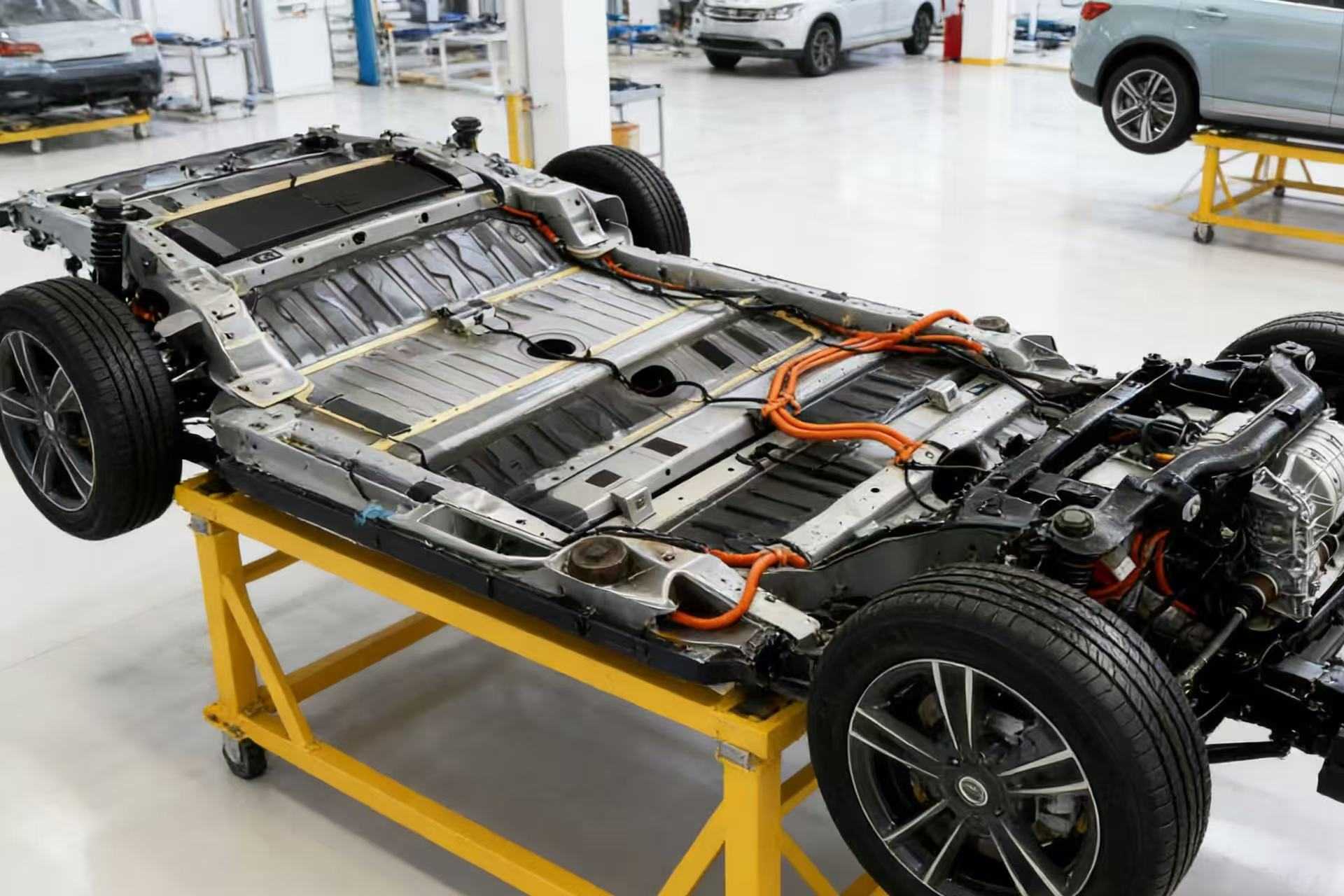
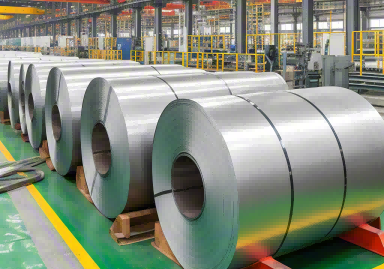
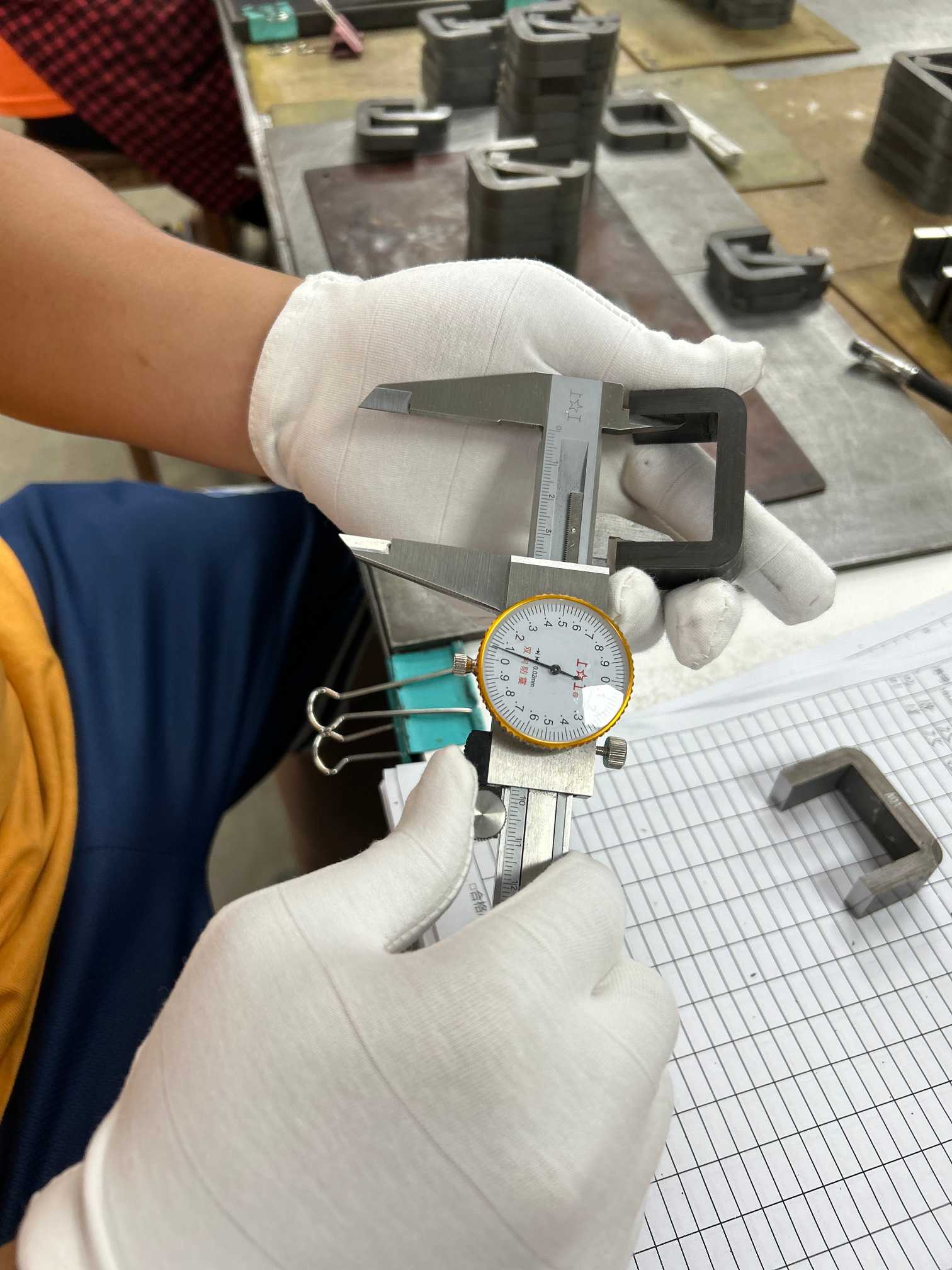
Application scenarios of silicon steel for new energy vehicles

Non-oriented silicon steel with a thickness between 0.2 mm and 0.35 mm is a key material for core components of new energy vehicles, such as drive motors and on-board chargers, and directly affects the vehicle's power, economy, and reliability.


Why is silicon steel so crucial?

New energy vehicle drive motors strive for miniaturization, high efficiency, and high power density. This places extremely high demands on their "heart" material—silicon steel.
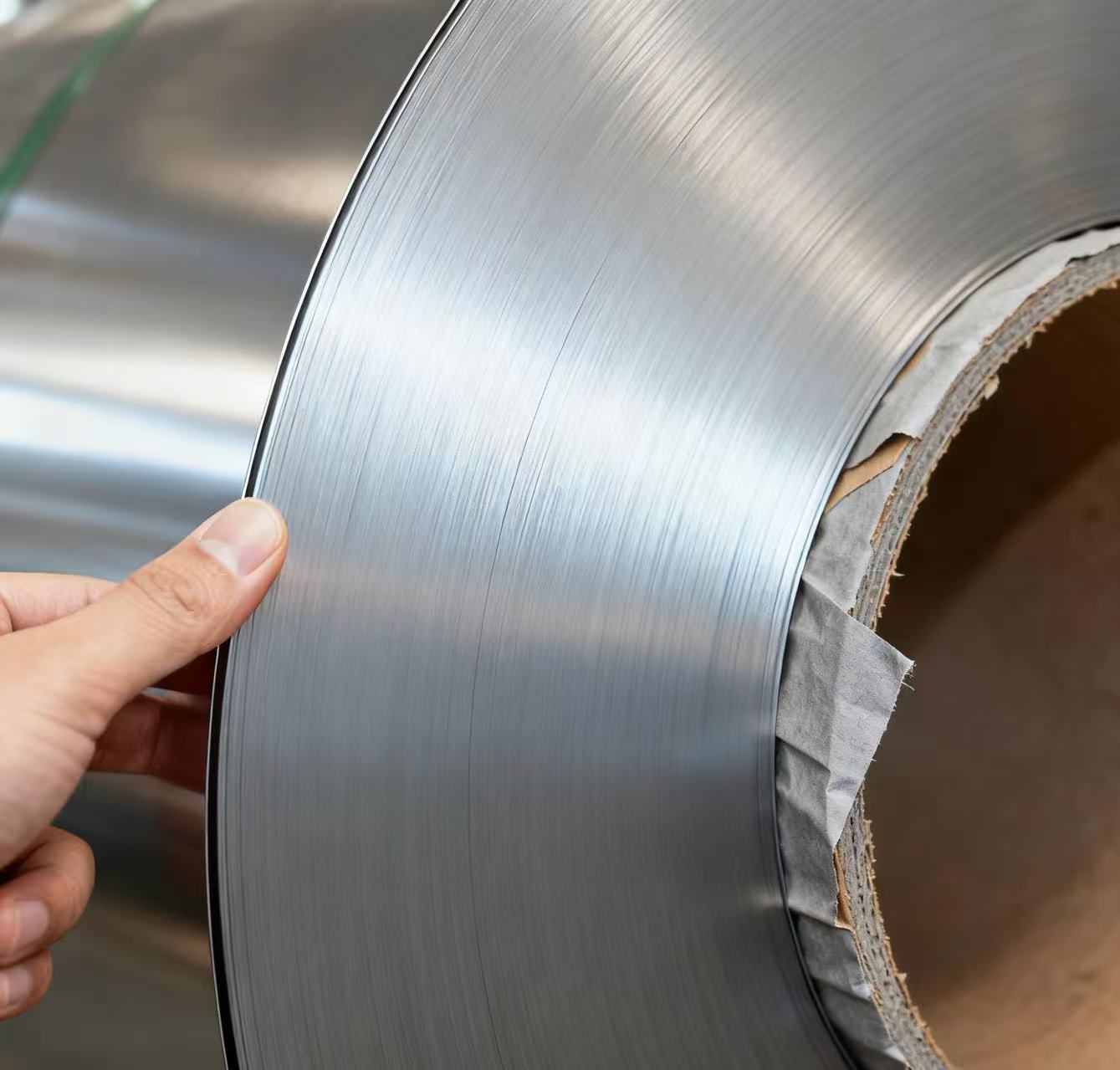
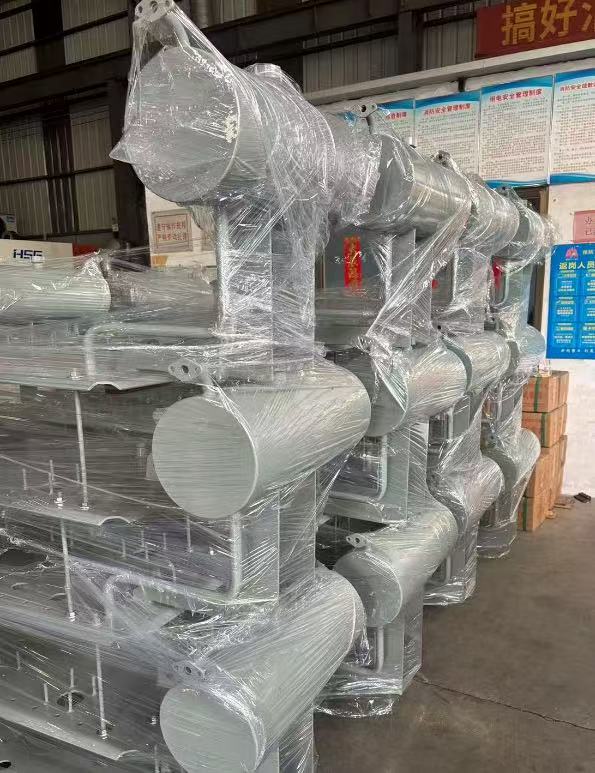
Non-oriented silicon steel

High frequency and low loss: When the motor rotates at high speed (up to tens of thousands of revolutions per minute), the internal magnetic field changes at a very high frequency (400-1500Hz). The thinner the silicon steel sheet, the lower the eddy current loss, the higher the motor efficiency, and the more guaranteed the driving range. Studies have shown that compared to 0.35mm silicon steel, motors using 0.30mm silicon steel can increase the high-efficiency area by more than 20%.


High magnetic flux density: High magnetic flux density means that the motor can generate a stronger magnetic field under the same current, thereby obtaining greater torque and power density, which helps to achieve motor weight reduction.


Application scenarios:

New energy silicon steel with a thickness of 0.30mm-0.35mm has good cost-effectiveness, meets basic performance requirements, and is generally used in the auxiliary motors of some A0-class electric vehicles and hybrid vehicles.
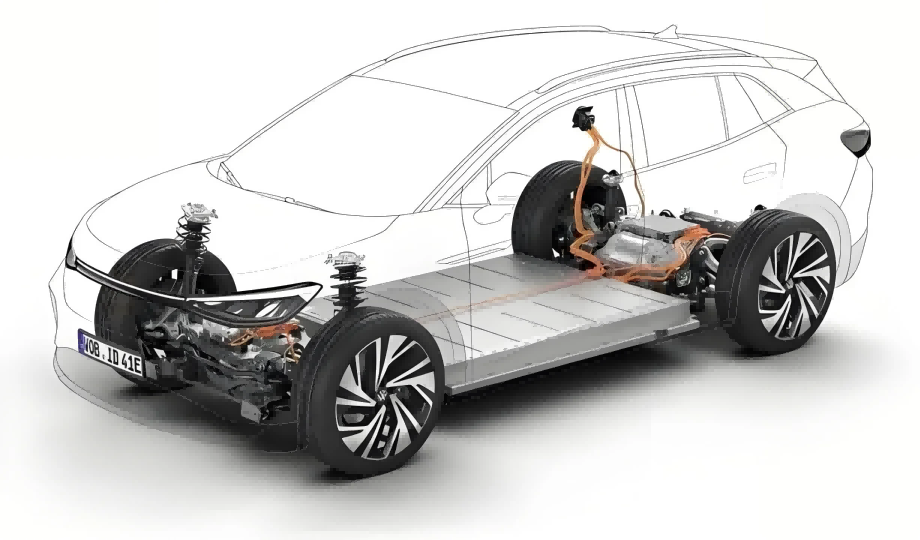
New energy silicon steel with a thickness of 0.25mm-0.27mm has the characteristics of balancing performance and cost, low iron loss and high magnetic induction, and is the current mainstream stator core for electric vehicle drive motors.
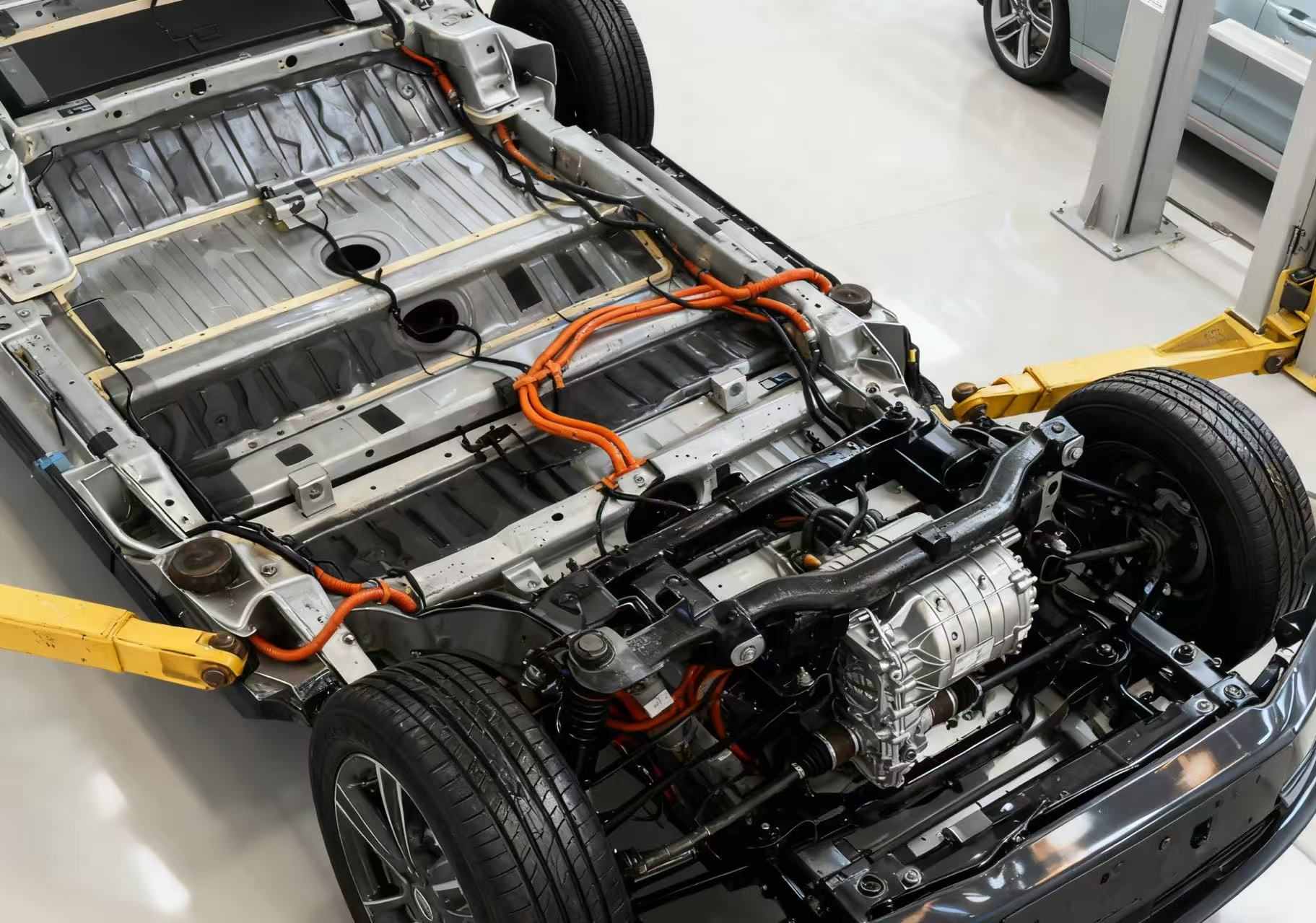
 

New energy silicon steel with a thickness of 0.20mm or less features extremely low iron loss, optimal high-frequency performance, and suitability for ultra-high speeds. It is generally used in high-performance motors with speeds ≥15000rpm.


The thinness of silicon steel is primarily to address the challenges posed by the increasing frequency of drive motors. Higher motor speeds result in higher frequencies of internal magnetic field changes, leading to significant eddy current losses in the silicon steel sheets. Using thinner silicon steel sheets (such as 0.25mm or 0.20mm) effectively suppresses eddy currents and reduces iron losses, thereby improving motor efficiency. This is crucial for extending vehicle driving range.
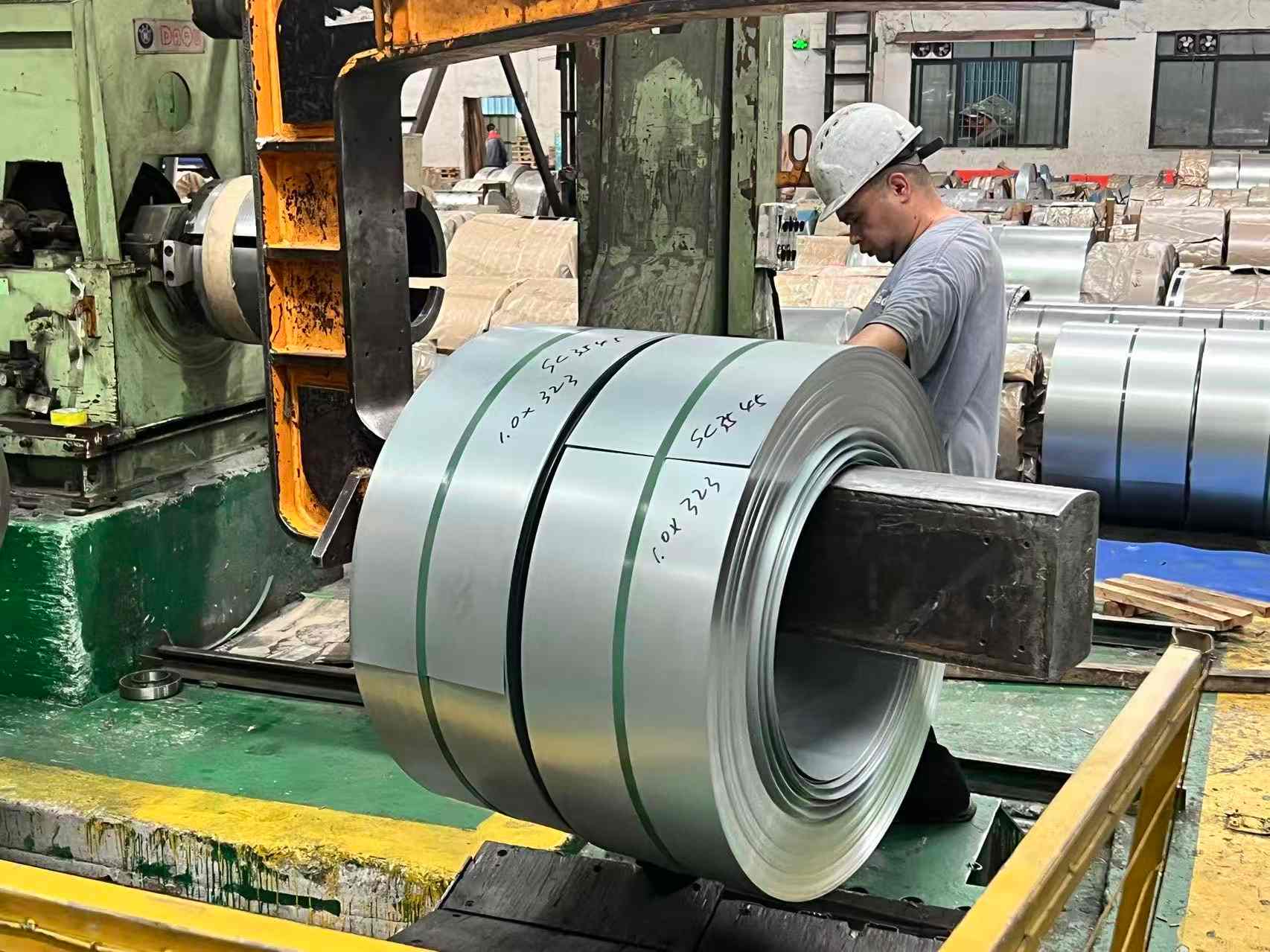
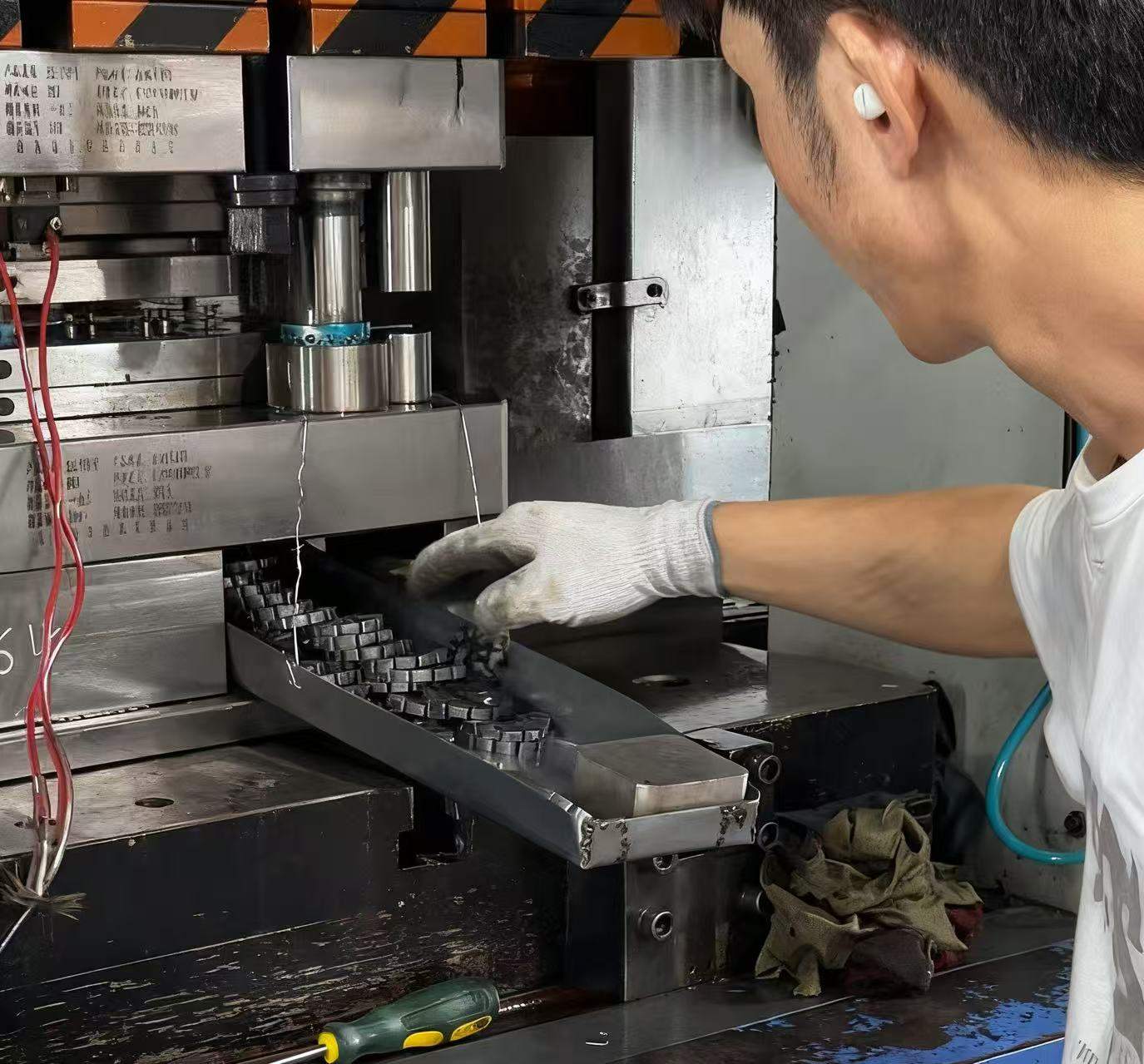


ASTM standard silicon steel coils providing core power for high-efficiency electrical equipment

1. Key characteristics of ASTM standard silicon steel coils
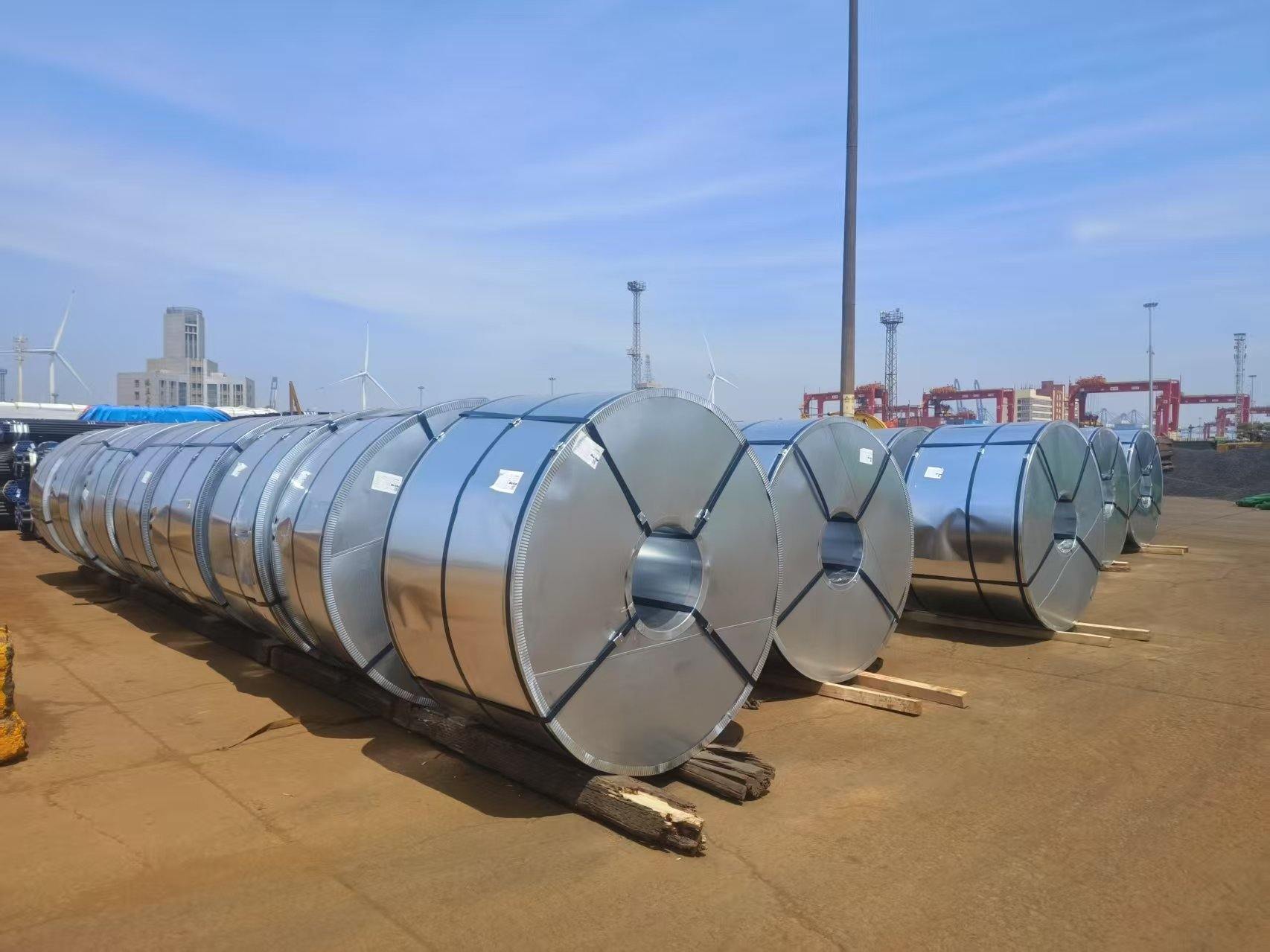
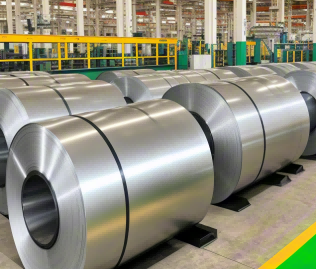
In the field of power transmission and conversion, silicon steel coils, as an indispensable soft magnetic material, directly determine the energy efficiency of electrical equipment such as transformers and motors. Among them, silicon steel coils conforming to ASTM standards, with their superior magnetic and mechanical properties, have become the preferred material for the manufacture of high-end electrical equipment worldwide. With the advancement of energy conservation and emission reduction policies in various countries, especially the "dual-carbon" target leading to energy transformation, the quality requirements for silicon steel coils are becoming increasingly stringent. ASTM standards, as internationally recognized specifications, provide authoritative technical guidance for the production and application of silicon steel coils. ASTM standards cover the technical requirements for non-oriented silicon steel coils, a material with low carbon content (typically below 0.020%) and a specific silicon-aluminum-iron alloy composition. The silicon content is controlled between 0.50% and 3.20%, effectively reducing eddy current losses by increasing resistivity. Silicon steel coils conforming to ASTM standards have the characteristics of low iron loss and high magnetic permeability.


2. Strict production and testing processes ensure consistent quality.
The production process of ASTM standard silicon steel coils strictly adheres to specifications, requiring precise control at every stage from smelting and hot rolling to cold rolling annealing. The annealing process, in particular, effectively eliminates internal stress and optimizes grain structure, thereby improving magnetic properties. Quality control employs precision instruments such as Epstein square rings and monolithic magnetometers to measure iron loss and magnetization curves. Insulation coating testing is equally important; interlayer resistance meters assess the coating's insulation performance to ensure compliance with ASTM standards. Coating thickness is typically controlled between 0.5 and 3.0 μm, with a surface resistivity of 5-50 Ω·cm², effectively preventing eddy current losses during laminated applications.


3. ASTM standard silicon steel coils are widely used in the power industry. In transformer manufacturing, especially small power transformers, their high magnetic flux density significantly reduces no-load losses and improves energy efficiency. In electric motor applications, the isotropic properties of non-oriented silicon steel coils are suitable for manufacturing stator and rotor cores. ASTM standard silicon steel coils are also widely used in new energy vehicle drive systems, solar inverters, and wind power generation equipment. Their high magnetic flux density and low iron loss characteristics perfectly meet the stringent requirements of high-efficiency energy conversion in the renewable energy sector. The home appliance industry also benefits from this; from air conditioner compressors to refrigerator motors, ASTM standard silicon steel coils help equipment achieve higher energy efficiency standards while reducing operating noise.

Low-iron-loss motor laminated silicon steel helps new energy vehicles achieve a leap in performance.

The key to improving the performance of drive motors in new energy vehicles lies in the continuous innovation of electrical silicon steel materials and coating technologies. As the core material of the motor stator core, the performance of low-iron-loss laminated silicon steel directly determines the motor's energy efficiency, power density, and range.


Thinning the steel sheet is one of the most effective technical approaches to reducing iron loss. Thinner silicon steel sheets can significantly reduce high-frequency eddy current losses and improve motor efficiency.


Low-iron-loss motor laminated silicon steel is indeed a key component in improving the energy efficiency of current motor technology. Through collaborative innovation in materials, processes, and design, it provides a solid foundation for the efficient, miniaturized, and low-noise operation of motors.


Low-iron-loss motor laminated silicon steel technology is directly driving energy efficiency upgrades in several key industries, such as new energy vehicle drive motors: this is currently the most cutting-edge area of  technology application. To achieve longer range and higher power density, new energy vehicle drive motors need to maintain low losses at high speeds. The use of ultra-thin silicon steel sheets has become a standard configuration for high-end motors.


In the future, technology will continue to evolve, moving towards thinner (e.g., 0.10mm and below), higher strength, and even integration with sensors to achieve intelligent status monitoring, providing continuous material support for the "dual carbon" goal.


What is Transformer?

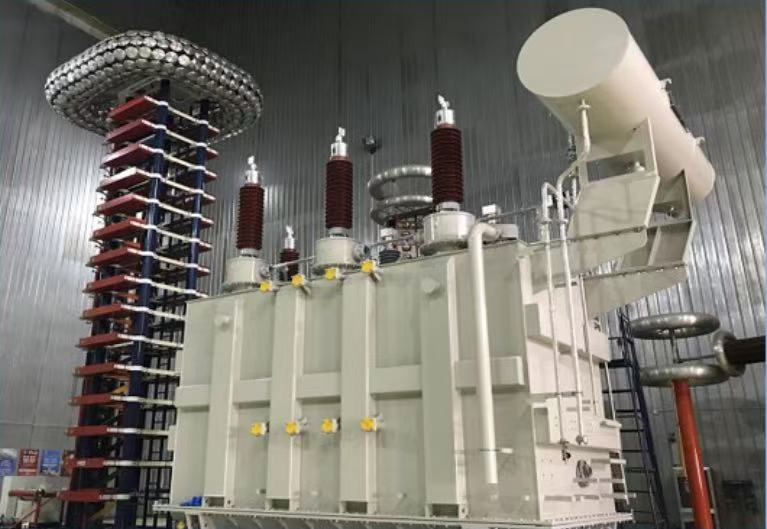
Transformer is an electrical device that uses the principle of electromagnetic induction to change alternating current voltage.


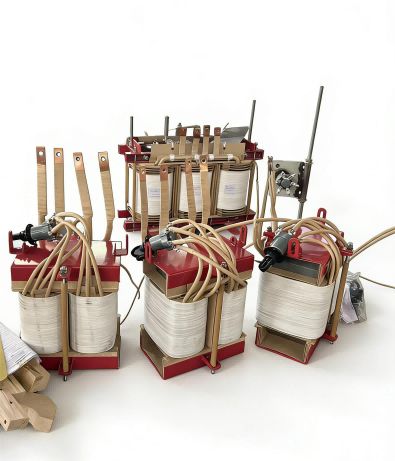
Its core structure consists of two sets of coils wound around a closed iron core. When alternating current is applied to the primary coil, an alternating magnetic field is generated in the iron core, which in turn induces an alternating voltage in the secondary coil. The voltage change depends on the turns ratio of the two coils. If the secondary coil has more turns than the primary coil, the output voltage will increase, which is called a step-up transformer; otherwise, it is a step-down transformer.


A transformer's main structure consists of three parts:

Core: Typically made of laminated silicon steel sheets, forming a closed magnetic circuit. Its function is to efficiently conduct and confine the magnetic field.

Primary Coil (Side): The winding connected to the input power supply.

Secondary Coil (Side): The winding that outputs the required voltage.

Key Characteristics and Parameters

  • Rated Capacity: The maximum apparent output power that enables the transformer to operate safely for extended periods, measured in kilovolt-amperes (kVA).
  • Rated Voltage: The primary and secondary operating voltages specified during design.
  • Efficiency: The ratio of output power to input power. Modern large transformers can achieve efficiencies exceeding 99%, with losses primarily originating from copper and iron losses.
  • Impedance voltage: An important technical parameter that affects the magnitude of short-circuit current and voltage regulation rate.


Simply put, transformers cleverly achieve the raising and lowering of AC voltage through the process of "electricity generating magnetism, and magnetism generating electricity," making them an indispensable basic component in modern power systems and almost all electronic equipment.

The Unsung Hero Behind Green Energy Efficiency Top-Grade Silicon Steel's Top Ten Applications

In the global era advocating green energy efficiency, top-grade silicon steel, with outstanding low loss and high magnetic properties, has become a key material driving efficient energy use. In the top ten fields, it plays an irreplaceable role, with its application in the new energy vehicle sector particularly shining.


The primary power source of new energy vehicles—the drive motor—demands stringent material performance. The low iron loss characteristic of top-grade silicon steel significantly reduces energy loss during high-frequency motor operation. Calculations show that a drive motor manufactured using top-grade silicon steel can increase energy conversion efficiency by around 15%. This means that with the same amount of electricity, a vehicle can travel a longer distance. For instance, in the case of a pure electric vehicle with a range of 500 kilometers, using a drive motor made of top-grade electrical steel can increase the range by about 75 kilometers.

Furthermore, the excellent magnetic performance of top-grade silicon steel ensures a more uniform distribution of the motor's magnetic field, reducing operational noise and prolonging the motor's lifespan. In today's increasingly competitive new energy vehicle market, top-grade silicon steel helps automotive companies enhance vehicle performance, driving the industry towards a more energy-efficient and environmentally friendly direction.


Apart from new energy vehicles, top-grade silicon steel also performs exceptionally well in sectors such as household appliances, industrial motors, and wind power generation, providing strong support for energy conservation and carbon reduction across various industries. It is truly deserving of being hailed as the core hero behind green energy efficiency.


Three Technological Breakthroughs in the Rise of China's Silicon Steel Industry

As an important type of electrical steel, silicon steel plays a critical role in the power industry. In recent years, China's silicon steel industry has made remarkable progress and emerged as a leader in the global market. This article introduces three technological breakthroughs in the rise of China's silicon steel industry, showcasing the outstanding contributions of Chinese electrical steel manufacturers and producers in technological innovation.

First Technological Breakthrough: Development and Production of High Magnetic Induction Silicon Steel
Chinese electrical steel manufacturers actively engage in the research, development, and production of high magnetic induction silicon steel to meet the growing demand. High magnetic induction silicon steel exhibits higher magnetic induction strength and lower iron losses, effectively reducing energy loss in power equipment. By adopting advanced production techniques and precise alloy design, Chinese electrical steel manufacturers have achieved breakthrough results, elevating the magnetic properties of silicon steel to new heights.

Second Technological Breakthrough: Promotion and Application of Amorphous Silicon Steel
Amorphous silicon steel, as a novel silicon steel material, features extremely low hysteresis losses and iron losses, offering higher operational efficiency and reduced energy consumption. Chinese electrical steel producers promote the application of amorphous silicon steel by introducing advanced production lines and manufacturing processes, effectively improving the quality and performance of silicon steel. Amorphous silicon steel has been widely employed in power equipment such as transformers, making significant contributions to the efficient operation of China's power industry.

Third Technological Breakthrough: Innovative Manufacturing Processes for Thin-Gauge Silicon Steel
Thin-gauge silicon steel holds immense potential for applications in the power industry, but its manufacturing process is relatively complex and imposes high requirements on production technology and equipment. Chinese silicon steel manufacturers have successfully developed efficient manufacturing technologies for thin-gauge silicon steel through continuous innovation and process improvement. These technological innovations not only enhance the production efficiency and quality of thin-gauge silicon steel but also reduce production costs, providing users with more competitive product options.

With the continuous development and innovation in China's silicon steel industry, Chinese electrical steel manufacturers and producers have achieved tremendous technological breakthroughs. The promotion and application of high magnetic induction silicon steel, amorphous silicon steel, and thin-gauge silicon steel have provided robust support for the development of the power industry and energy efficiency improvement. The Chinese silicon steel industry will continue to strive for technological innovation and development, making even greater contributions to the prosperity of the global electrical steel market.

Is Cheap Silicon Steel Really Saving You Money? 3 Costly Mistakes to Avoid

When sourcing silicon steel, the initial price tag often becomes the deciding factor. But here’s the hard truth: what you save upfront could cost you 3-5x more in hidden losses. After auditing 37 failed projects (from burnt transformers to rejected OEM orders), we’ve identified 3 deadly mistakes buyers make with "cheap" silicon steel.


Mistake #1: Ignoring Core Loss – The Silent Profit Killer

The Trap
A Vietnamese motor manufacturer switched to "Grade 50WW600" from an uncertified supplier at 12% lower cost. Six months later:

  • 9% higher energy consumption in motors

  • 22 customer complaints about overheating

  • $280,000 in warranty claims

Why It Happens
Core loss (iron loss) directly impacts efficiency. Cheap silicon steel often uses:

  • Subpar grain-oriented technology

  • Inconsistent annealing processes

  • Thickness tolerance beyond ±0.02mm

Smart Fix
Always demand:
✅ Epstein test reports (not just mill certificates)
✅ Guaranteed core loss values (e.g., P1.5/50 ≤ 4.0 W/kg)
✅ Thickness measured by laser gauges, not manual tools


Mistake #2: Blindly Trusting "Equivalent Grades"

The Trap
A Turkish buyer purchased "Chinese equivalent of M250-50A5" to replace EU steel. Result:

  • Magnetic flux density dropped from 1.78T to 1.62T

  • Motors failed EMC compliance tests

  • Project delay fines: €150,000

The Dirty Secret
"Equivalents" often differ in:

  • Silicon content (2.9% vs 3.2% drastically changes permeability)

  • Insulation coating (C3 vs C5 anti-corrosion ability)

  • Lamination factor (stacking efficiency)

Survival Guide

  • Cross-check against ASTM A876 or JIS C 2553 standards

  • Require 3rd-party lab comparison testing (we provide free sample analysis)

  • Ask for coating SEM images (real example below):
    ![Insulation Coating Comparison: Flaky vs Uniform]


Mistake #3: Overlooking Supply Chain Risks

The Trap
An Indian importer bought "cheap" CRGO steel through a trading company. Disaster struck:

  • 80% of coils had edge cracks (hidden under packaging)

  • Supplier disappeared after partial payment

  • Total loss: $410,000

Red Flags of Risky Suppliers
🚩 No factory visit videos (only stock photos)
🚩 Refuse to sign PI with penalty clauses for defects
🚩 Can’t provide real-time production tracking

Protect Yourself
✔️ Verify IATF 16949 certification (critical for automotive buyers)
✔️ Demand batch-specific MTCs with traceable heat numbers
✔️ Use escrow services like Alibaba Trade Assurance


The Right Way to Save Costs

At [Foshan Shunge Steel Trading Co., Ltd.], we help clients achieve real savings through:

  1. Precision Sourcing

    • Match exact grade needs (Hi-B, CGO, or NGO)

    • 0.18mm to 0.50mm customized slitting

  2. Pre-Tested Stock

    • Ready-to-ship ASTM/JIS compliant coils

    • Pre-cut laminations with burr-free edges

  3. Zero Surprise Logistics

    • Anti-rust VCI packaging + 24/7 shipment tracking


Bottom Line
Cheap silicon steel is like a discount parachute – it works until you need it most. Let’s discuss how to optimize your material costs without gambling on quality.

Exploring Grain-Oriented Silicon Steel An In-depth Analysis of Its Characteristics and Versatile Applications

Oriented silicon steel, commonly referred to as CRGO (Cold-Rolled Grain-Oriented), is a highly specialized silicon steel material that holds a paramount position in the manufacturing of electrical equipment and transformers. This material, distinguished by its unique magnetic properties, serves as a cornerstone in the power industry and electrical manufacturing sectors.

CRGO silicon steel is composed primarily of silicon and iron, with silicon content typically ranging from 1.5% to 4.5%. Through a rigorous cold-rolling process, the magnetic domains within CRGO are meticulously aligned, resulting in exceptional magnetic conductivity along specific directions. This alignment is crucial as it enables CRGO to dramatically reduce iron losses and significantly enhance the efficiency of transformers, reactors, and other electrical devices.

The versatility of CRGO silicon steel spans across a wide range of applications. From large-scale power transformers that form the backbone of national grids to transformers embedded in small household appliances, CRGO contributes significantly to the stable operation and energy-saving capabilities of electrical systems. Moreover, its applications extend into high-voltage transmission equipment, power supply systems for urban rail transit, and renewable energy sectors such as wind and solar power generation.

CRGO silicon steel's unique characteristics, including low core loss and high permeability, make it indispensable in the power industry. As the global focus on energy conservation and emission reduction intensifies, the demand for CRGO silicon steel continues to grow. Its extensive applications not only improve the energy efficiency and stability of electrical equipment but also contribute to a more sustainable future.

In summary, CRGO silicon steel is a material with exceptional magnetic properties that plays a vital role in the electrical industry. Its diverse applications and significant contributions to energy efficiency and sustainability make it a cornerstone in the ongoing evolution of power systems worldwide.

Silicon Steel The Unsung Hero of Energy Efficiency

In the realm of electrical engineering, silicon steel stands as a quiet but powerful innovator, driving advancements in energy efficiency. This unique alloy, which combines iron with a significant percentage of silicon, possesses magnetic properties that are tailored for optimal electrical performance. By minimizing hysteresis and eddy current losses, silicon steel helps reduce energy waste, making it a cornerstone for the development of high-efficiency transformers and other critical electrical components.


At the forefront of this technological evolution is CRGO (Cold Rolled Grain Oriented) steel. Through a meticulous process of rolling, annealing, and laser scribing, the grains within CRGO steel are precisely aligned to match the direction of the magnetic field. This alignment minimizes losses and maximizes efficiency, making CRGO the gold standard for transformers used in power grids and renewable energy systems.

oriented silicon steel

Building on the success of CRGO, oriented silicon steel further refines the grain orientation process. By optimizing the silicon content and grain alignment, oriented silicon steel achieves even higher magnetic induction and lower losses, especially under high magnetic fields. This makes it an indispensable material for high-voltage transformers and large-scale power inverters, where precision and efficiency are paramount.


In summary, silicon steel, and its advanced forms CRGO and oriented silicon steel, are not just materials; they are the unsung heroes of energy efficiency. Their unique properties and processing techniques make them essential for the development of high-performance transformers and other electrical components, paving the way for a cleaner, more sustainable energy future.Cold Rolled Grain Oriented Steel