Why Does Grinding Leave Swirl Marks on Concrete?

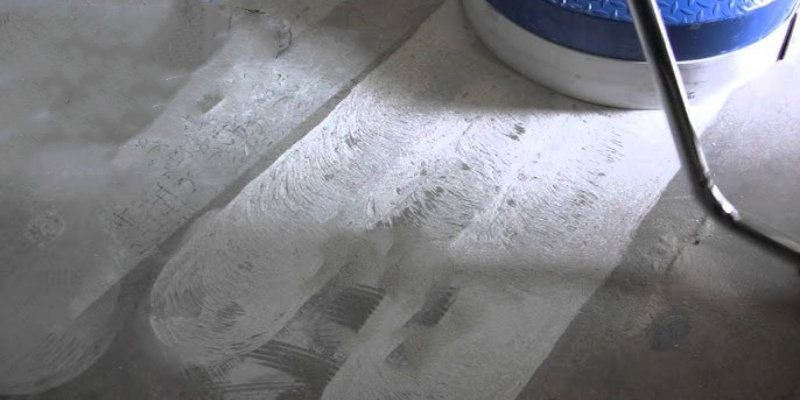
Swirl marks on concrete after grinding are most often caused by uneven grinding patterns, using the wrong tools, issues with how the machine is operated, or not completing the grinding sequence properly. Even though concrete grinders are made to produce a consistent surface, small variations—like differences in grinding pressure, how fast the machine moves, the condition of the tool, or how well the surface was prepared—can still leave visible circular marks. That’s why it’s important to understand where these marks come from, especially for contractors who want a smoother finish and want to avoid extra correction work later.


Uneven Machine Movement and Grinding Pressure

One of the biggest reasons swirl marks show up is inconsistent machine control. If the grinder moves too quickly, the overlap between grinding passes isn’t even, or the pressure isn’t applied consistently, the diamond tools may remove concrete at different rates across the floor. This is especially noticeable with planetary grinders, where keeping a steady, balanced travel pattern is key to getting uniform grinding results. When the process is controlled, it helps prevent some areas from being over-ground while others don’t get enough material removed.


Tool Selection and Surface Conditions Matter

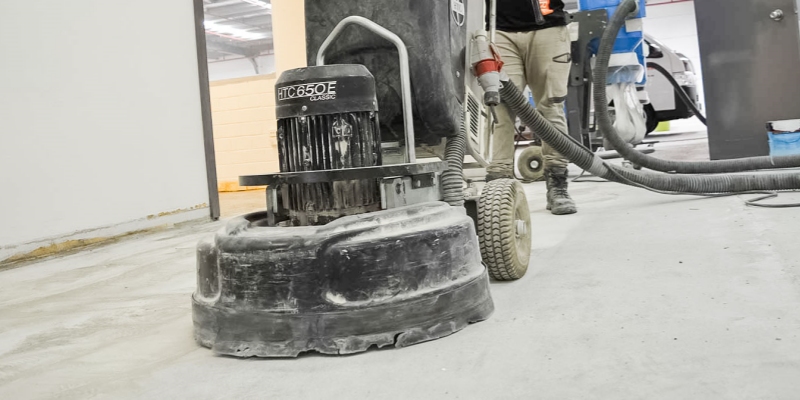
The concrete condition and the diamond grinding tools you choose play a major role in the final grinding pattern. If you use tooling that’s too aggressive, too worn out, or simply not suited to the hardness of the concrete, you can end up with scratch patterns that are uneven—and those often show up later as swirl marks. In real-world projects, professional contractors usually select different concrete floor diamond tools based on the grinding stage, the state of the surface, and the profile that’s required. TransGrind diamond tooling, for example, is designed to deliver dependable performance across a range of grinding systems, including well-known machines like Husqvarna, Lavina, and HTC grinders—helping contractors keep grinding results more consistent on different concrete surfaces.

diamond grinding tools


Skipping Grinding Steps Can Make Marks More Visible

Swirl marks don’t always appear during the final grinding pass. In many cases, they become more noticeable later because the earlier scratch patterns weren’t fully refined before moving to the next stage. Skipping grit steps, switching tools too soon, or rushing the process can leave inconsistent marks that remain visible even after polishing. When you follow the proper grinding progression, each stage removes the previous scratch pattern more evenly and produces a more uniform surface overall.


How to Reduce Swirl Marks During Grinding

To reduce swirl marks, you need good machine control, the right diamond tooling, and a consistent workflow. Operators should move the grinder steadily, maintain proper overlap between passes, and clean the floor thoroughly between grinding stages. Matching the tooling to the concrete condition and replacing worn abrasives when needed also helps keep grinding performance stable and reduces the chances you’ll need additional correction.


Final Thoughts

Swirl marks on concrete usually happen due to several factors working together, including grinding technique, tooling choice, and how well the process is controlled. By taking care at each stage of grinding and using the right approach for the specific condition of the floor, contractors can create a more even surface and provide a better base for polishing or other finishing work.
Why Is My Floor Uneven After Grinding?

An uneven floor after grinding typically happens when the original surface condition, machine control, or grinding sequence hasn’t been properly balanced. Grinding is often used to fix uneven areas, but if the job isn’t done with the right technique and tools, it can end up emphasizing high and low spots rather than smoothing everything out evenly. So, identifying the root cause is the first step toward correcting the problem.


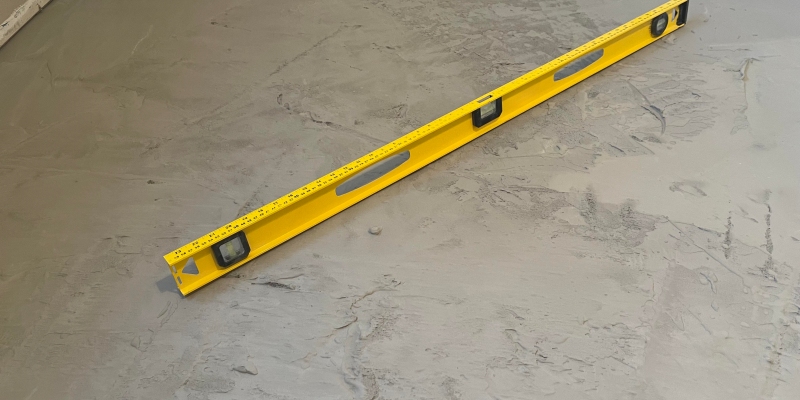
One of the most common reasons is that the floor already has a noticeable amount of variation before grinding even begins. Concrete slabs are rarely perfectly flat, particularly in large commercial or industrial spaces. If high and low areas aren’t detected early, the grinder will just follow the existing shape of the floor. In that situation, grinding by itself won’t create true flatness unless you make multiple passes and use proper leveling methods.


Another common factor is how the machine is handled during the process. Uneven pressure, inconsistent walking speed, or incorrect overlap between passes can easily leave waves or striping on the surface. Even when the diamond tools are the right ones, poor control of the machine can still produce an uneven finish. This is especially noticeable with large planetary grinders, where how the operator moves the equipment directly affects surface consistency.


concrete floor


Tool selection and the grinding sequence also have a big impact. Using the wrong bond hardness or skipping grit stages can stop the floor from leveling properly. For example, if the tools are too aggressive for the concrete condition, they may dig in unevenly; if they aren’t aggressive enough, they may not remove enough material. A proper step-by-step progression using the right diamond grinding tools is necessary to refine the surface gradually and avoid leaving visible high or low areas behind. Diamond grinding cup wheels are often used for edge work and localized leveling, while trapezoid diamond grinding tools are commonly used on planetary grinders for general grinding and overall surface leveling.


In many cases, dust buildup and inadequate cleaning between grinding stages can also contribute to uneven results. If dust remains on the surface, it can give a misleading impression of flatness and interfere with good tool contact. That reduces grinding efficiency and can lead to inconsistent grinding patterns. Keeping the floor clean during each stage helps ensure stable contact between the tools and the concrete.


Overall, an uneven floor after grinding is usually not caused by just one thing—it’s typically a mix of the surface condition, machine control, and tool selection. With a proper assessment before you start and a consistent grinding process, most unevenness can be corrected effectively, leaving you with a smooth, well-leveled concrete surface.

A Historical Overview of the Development of Diamond Grinding Discs

Diamond grinding discs have revolutionized the field of diamond grinding tools, providing a superior method for grinding and polishing a wide range of materials. Let's take a historical journey to explore the development of these remarkable tools and how they have transformed various industries.


The real breakthrough in diamond grinding discs came in the 1950s with the advent of synthetic diamonds. Advances in technology made it possible to produce high-quality industrial diamonds using synthetic methods, making them more affordable and accessible for various applications.


To improve grinding efficiency and reduce heat build-up, segmented designs were introduced. These discs featured multiple diamond segments strategically placed on the disc's surface, allowing for even wear and maximizing diamond exposure during grinding.


diamond grinding discs

As diamond grinding technology continued to advance, specialized variations of diamond grinding discs emerged for specific applications. For example, there are discs specifically designed for concrete polishing, terrazzo grinding, stone shaping, and metal grinding, each tailored to deliver optimal results in their respective fields.


In recent years, manufacturers have incorporated advanced technologies such as laser-welded segments, advanced diamond formulations, and engineered patterns to enhance performance, durability, and precision. These innovations have further expanded the capabilities of diamond concrete grinding discs and opened up new possibilities in various industries.


The development of diamond grinding discs has been a remarkable journey, driven by the need for more efficient, precise, and versatile grinding tools. From the use of natural diamonds in ancient times to the emergence of synthetic diamonds and advancements in bonding systems, diamond grinding discs have undergone significant evolution. Today, they are indispensable tools in industries ranging from construction and manufacturing to stone fabrication and surface preparation, offering unbeatable performance and contributing to the progress of modern technology.

The Benefits of Terrazzo Floors in Sports Facilities

Terrazzo floors combine durability, style, and usefulness, which make it a great option for sports facilities. These resilient floors are ideal for gyms, locker rooms, and indoor courts where heavy equipment and frequent foot activity necessitate a sturdy surface. Their non-porous finish makes cleaning simple, lowers the possibility of bacterial accumulation, and promotes a healthier atmosphere for both employees and athletes.


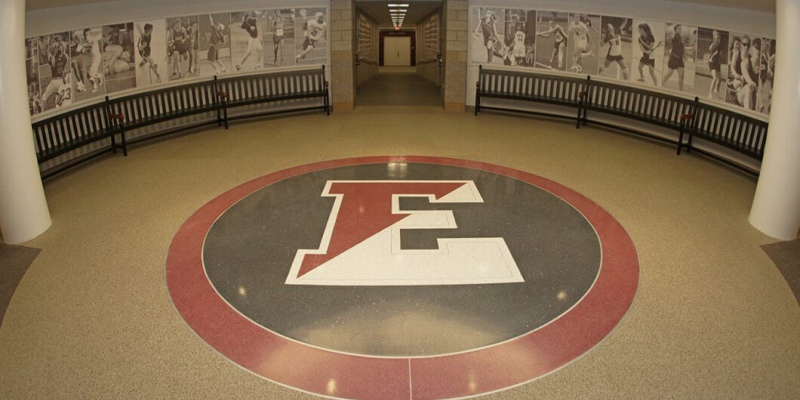
One of the standout features of terrazzo floors is their ability to support creative and custom designs. From team logos to facility branding, terrazzo floors can be tailored to fit any aesthetic vision. Achieving such precision during the installation process often requires diamond grinding tools, which are instrumental in creating a perfectly smooth surface that enhances the design’s clarity and vibrancy.


Another major advantage of terrazzo floors is their long-term cost efficiency. These floors are incredibly tough, resisting chips, cracks, and stains over time. When signs of wear eventually appear, professionals use metal bond diamond grinding tools to repair and restore the surface. This process ensures the floor maintains its structural integrity and sleek appearance, even after years of use in demanding environments.


terrazzo floors grinding


Sustainability is another benefit of terrazzo flooring. Made from a combination of natural aggregates and recycled materials, terrazzo is an eco-friendly choice for facilities looking to minimize their environmental footprint. To further enhance its finish, experts often turn to diamond polishing pads, which provide a high-gloss sheen that improves the floor’s durability and aesthetics while reducing maintenance needs.


Terrazzo floors offer unparalleled durability and aesthetics for sports facilities, and maintaining their high performance and visual appeal requires the right tools. TransGrind is a professional manufacturer and supplier of premium diamond grinding tools, designed for superior performance, durability, and precision. Explore our full range of products at www.transgrindtools.com to ensure optimal results for your flooring needs.

Why Terrazzo Flooring is a Smart Choice for Retail Spaces

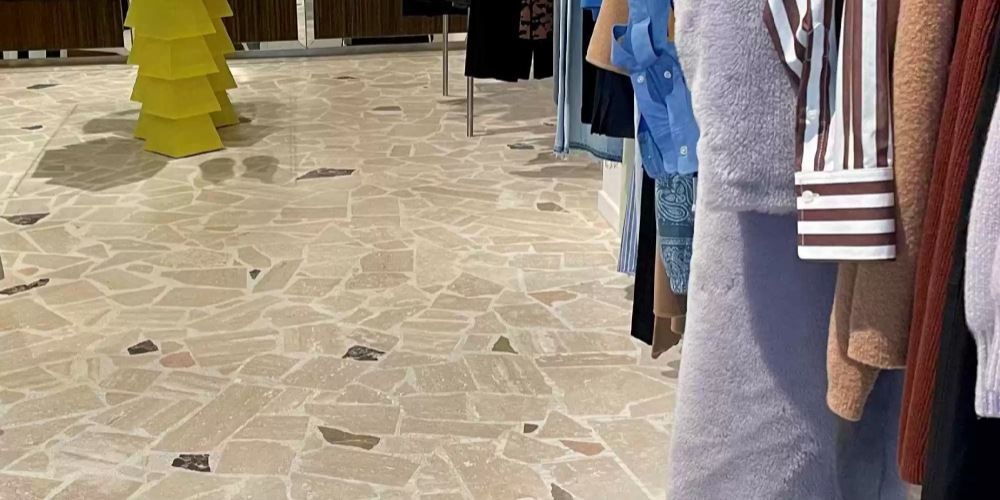
Terrazzo flooring has emerged as a popular option for retail environments, combining durability, style, and adaptability. This classic material not only enhances visual appeal but also offers practical advantages suited to the high demands of retail spaces. Its ability to endure heavy foot traffic while complementing contemporary interior designs makes terrazzo flooring a standout choice for stores aiming to leave a lasting impression.


Retail environments face continuous wear from foot traffic, shopping carts, and heavy displays. The structure of terrazzo—composed of marble, quartz, or glass chips set in a cement or epoxy base—ensure it can handle these stresses without significant deterioration. Maintaining its polished finish typically involves diamond grinding tools, which help restore its shine and smoothness, making it a cost-effective investment.


In terms of aesthetics, terrazzo floor provides unparalleled design options. Retailers can select from a vast array of colors, patterns, and finishes to reflect their brand identity. The polished surface offers a luxurious look, while its non-porous nature makes it easy to clean and maintain. Regular grinding and polishing with TransGrind diamond grinding tooling can keep the floors looking pristine, enhancing the overall shopping experience.


diamond grinding tools


Sustainability is another factor driving the popularity of terrazzo in retail design. Many terrazzo installations use recycled materials, supporting eco-friendly building practices. Furthermore, its longevity reduces the need for frequent replacements, thereby minimizing waste. For businesses aiming to maintain and refurbish their terrazzo floors, tools like metal bond diamond grinding tools offer an effective way to smooth out uneven surfaces and prepare the floor for resealing or repolishing.


The advantages of terrazzo flooring making it an exceptional choice for retail spaces. Its durability, visual appeal, and sustainability align seamlessly with the requirements of modern retailers. For businesses looking to install of maintain terrazzo floors, using the appropriate equipment, such as diamond grinding tools, is crucial for achieving the best results. With its expertise in producing high-quality tools, TransGrind is a dependable partner for keeping your terrazzo floors in excellent condition.