Why Does My Polishing Pad Wear Out Quickly?

When working with concrete or stone surfaces, a diamond polishing pad is crucial for achieving a smooth, high-quality finish. However, many users face the frustrating problem of their pads wearing out more quickly than anticipated. Understanding the causes of this issue can help you take the necessary steps to prolong the life of your pads and enhance efficiency.


Choosing the right grit size is vital for effective polishing. Using a pad with a grit that is too fine for heavy material removal can lead to rapid wear due to excessive friction. Conversely, starting with a grit that is too coarse on a sensitive surface can also cause premature wear. Selecting the appropriate sequence of grit levels can optimize the lifespan of your pads.


Exerting excessive pressure while using wet polishing pads can create unnecessary heat and friction, resulting in quicker degradation. Instead of forcing the pad, allow it to perform its function with consistent, moderate pressure. Proper use of water during wet polishing can also help minimize heat and enhance the pad's durability.


diamond polishing pad


Using the wrong RPM (revolutions per minute) can greatly affect the longevity of your polishing pad. High speeds can generate excessive heat and wear, while speeds that are too low may lead to inefficient cutting and glazing of the pad. Always adhere to the recommended speed settings for your specific pad type and material.


If the surface has rough edges, debris, or contaminants, the polishing pad may wear unevenly or deteriorate more quickly. Properly preparing the surface by grinding or cleaning it beforehand ensures a smoother polishing process and reduces unnecessary strain on the pad. Besides, not all polishing pads are of the same quality. Low-quality materials and poor bonding can cause resin diamond polishing pads to wear out much faster than expected.


TransGrind Diamond Tools is a professional manufacturer and supplier of premium diamond grinding tools. Our products are designed for high performance, durability, and precision, ensuring optimal results in grinding and polishing tasks. To explore our extensive range of products, please visit us at www.transgrindtools.com.

What is a Diamond Saw Blade Used For?

Diamond saw blade is a specialized cutting tool designed for precision and durability.

Its applications span multiple industries due to its ability to cut hard, abrasive materials efficiently.

Below are its primary uses:

Cutting Hard and Brittle Materials‌ ‌Stone and Ceramics‌: Diamond blades excel at cutting natural stone (e.g., granite, marble), ceramic tiles, and engineered materials like Dekton‌.

‌Concrete and Asphalt‌: Widely used in construction for slicing through reinforced concrete, pavers, and road surfaces‌.

Advanced Composite Materials‌ ‌Carbon Fiber and Fiberglass‌: Ideal for cutting abrasive composites where traditional carbide blades fail. The diamond edge maintains sharpness even under high friction‌.

Glass and Gemstones‌ ‌Glass Cutting‌: Provides clean, chip-free cuts for glass panels and mirrors‌.

‌Gemstone Processing‌: Used in precision cutting of diamonds and other hard gemstones‌.

Specialized Industrial Applications‌ Turbo Blades‌: Segmented or turbo-rim designs enhance airflow and cooling, making them suitable for dry-cutting applications‌.

Food Industry‌: Certain diamond blades are engineered for cutting frozen foods or hard cheeses‌.

Key Advantages of Diamond Blades ‌Durability‌: Diamond particles embedded in the blade matrix ensure long-lasting performance‌.

Precision‌: Delivers smooth, accurate cuts with minimal material waste‌.

Versatility‌: Available in sizes ranging from 34mm to 18 inch, catering to handheld tools and industrial machinery‌.

For optimal results, match the blade type (e.g., segmented, continuous rim) to the material and cutting conditions‌.

Demystifying the Process of Die-Casting What You Need to Know

Die-casting is one of the most versatile and efficient manufacturing processes used in industries such as automotive, aerospace, electronics, and consumer goods. It allows manufacturers to produce complex, high-precision metal parts with excellent surface finishes and dimensional accuracy. However, despite its widespread use, many people still find the process somewhat mysterious. In this blog post, we’ll break down the key aspects of die-casting, explain how it works, and outline what you need to know if you’re considering this method for your project.


What is Die-Casting?

Die-casting is a metal casting process in which molten metal is injected under high pressure into a steel mold (also known as a die) to form a part. The process is typically used for metals with low melting points such as aluminum, zinc, and magnesium. Die-casting produces parts that are precise, strong, and lightweight, making it an ideal solution for manufacturing components that require intricate detail and high-volume production.


The Die-Casting Process

The die-casting process involves several key steps, each contributing to the final quality of the product:

  • Preparation of the Die: The die, typically made from steel, is designed and built to the specifications of the part to be produced. It is carefully cleaned and lubricated to prevent the molten metal from sticking and to ensure smooth removal of the finished part.
  • Molten Metal Injection: Once the die is prepared, molten metal is poured into the injection system. A plunger forces the metal into the die cavity at very high pressure (up to 4500 psi), ensuring that the metal fills all the details of the mold.
  • Cooling and Solidification: After the molten metal fills the cavity, it is allowed to cool and solidify. The cooling time depends on the complexity and size of the part. Once solidified, the die is opened, and the part is ejected.
  • Finishing: After ejection, the die-cast parts may undergo additional finishing processes such as trimming, polishing, or machining to remove excess material and ensure the part meets the required specifications.


Types of Die-Casting

There are two main types of die-casting processes: hot-chamber die-casting and cold-chamber die-casting.

  • Hot-Chamber Die-Casting: This method is typically used for metals with low melting points, such as zinc. The melting pot is integrated with the injection system, allowing the molten metal to be directly injected into the die. This process is faster and more efficient but is limited to metals that don’t corrode the injection system.
  • Cold-Chamber Die-Casting: In this method, the molten metal is poured into a separate chamber before being injected into the die. It’s commonly used for materials like aluminum and magnesium, which require higher melting temperatures. Cold-chamber die-casting is more versatile but slower than hot-chamber die-casting.


Advantages of Die-Casting

Die-casting offers a wide range of benefits, making it a popular choice for manufacturers across various industries:

  • High Precision: Die-casting is ideal for creating complex parts with tight tolerances and intricate designs.
  • Excellent Surface Finish: The smooth surface finish achieved during the casting process often requires little or no additional post-processing.
  • High Strength-to-Weight Ratio: Die-cast parts are lightweight yet strong, which is particularly beneficial for industries like automotive and aerospace.
  • High Production Speed: Die-casting is well-suited for high-volume production, allowing manufacturers to produce large quantities of parts quickly and cost-effectively.
  • Cost-Effective for Mass Production: The initial setup cost for die-casting molds can be high, but the cost per unit decreases significantly in large production runs, making it a cost-effective option for mass production.


When to Use Die-Casting

Die-casting is ideal for parts that require high strength, precision, and a smooth finish. Common applications include:

  • Automotive Components: Engine parts, transmission cases, and body parts.
  • Aerospace Parts: Structural components, brackets, and housings.
  • Consumer Electronics: Housing for phones, laptops, and other devices.
  • Industrial Applications: Machinery components, valves, and housings.


However, it’s important to note that die-casting may not be the best choice for every project. It is most suitable for projects with high-volume production needs, where precision and detail are essential.


Challenges in Die-Casting

While die-casting is an efficient process, it does come with its challenges:

  • Initial Tooling Costs: The cost of designing and manufacturing the molds can be high, which may not make die-casting cost-effective for low-volume production.
  • Material Limitations: Die-casting is typically limited to metals with low melting points, so it’s not suitable for all types of materials.
  • Porosity: If not properly controlled, die-casting can result in tiny air pockets within the metal, which can affect the strength and durability of the part.
  • Complexity of Design: While die-casting is great for producing complex parts, there are still design constraints that need to be considered, such as wall thickness and draft angles.


Die-casting is a powerful manufacturing process that offers a wide range of benefits, including precision, strength, and cost efficiency for high-volume production. Understanding the key steps and considerations involved can help you decide whether die-casting is the right choice for your project. If you’re considering die-casting for your next manufacturing need, it’s essential to work with experienced professionals who can guide you through the process, from mold design to finished part production.


For more information on die-casting and how it can benefit your manufacturing process, feel free to reach out to our team. We specialize in custom die-casting solutions and can help bring your vision to life with precision and efficiency.


How Our Injection Molding Services Can Help Your Product

At LEADMAKE, we specialize in custom injection molding services designed to bring your unique product ideas to life. Whether you need complex components for medical devices,  precision parts for consumer electronics, or large-scale production runs, we offer solutions that meet the most demanding requirements. Our ISO-certified processes ensure the highest standards of quality and reliability, making us the trusted partner for industries that rely on precision and performance.


Our ability to deliver customized injection molding solutions sets us apart. We understand that each product is different, which is why we work closely with you to tailor the design and material selection to your specific needs. Whether it’s intricate geometries for medical equipment or specialized finishes for consumer products, our team ensures that your parts are produced with precision, functionality, and durability in mind.


With extensive experience in high-volume production, we are equipped to handle large-scale orders while maintaining consistency and quality. From prototyping to full-scale manufacturing, our services are optimized for fast turnaround times, helping you meet tight deadlines and accelerate your time-to-market. We leverage state-of-the-art molding technology and streamlined processes to ensure that every batch of parts is produced efficiently and on time.


As an ISO-certified manufacturer, we are committed to quality assurance at every stage of the production process. Our rigorous quality control systems ensure that every part we produce adheres to the highest standards of performance and reliability. Whether you are in the medical, consumer electronics, or other high-precision industries, our commitment to quality means that you can trust our products to meet your exact specifications.


At LEDMAKE, we offer more than just injection molding; we provide end-to-end solutions that support your product from design to delivery. With our expertise in customization, high-volume production, and rapid delivery, we are the ideal partner for businesses looking to scale quickly without compromising on quality. Whether you're developing a medical device or a consumer electronic product, our injection molding services are designed to support your growth and success.


Meeting the Demands of the Medical Industry Precision in First-Article and Complex Part Manufacturing

The medical industry is one of the most demanding sectors when it comes to precision and reliability. From life-saving devices to diagnostic equipment, every component must meet stringent standards to ensure patient safety and optimal performance. At LEADMAKE, we understand these critical requirements and have been a trusted partner in the CNC machining of medical-grade metal and plastic components for years.


The Growing Need for Precision in Medical Manufacturing


In the medical field, the margin for error is virtually nonexistent. Whether it’s a surgical instrument, an implantable device, or a diagnostic machine, each part must be manufactured with the highest level of accuracy. This is where first-article inspection (FAI) and precision part machining play a pivotal role.


🔵First-Article Inspection (FAI):FAI is a critical step in the manufacturing process, ensuring that the first batch of parts produced meets all design specifications and quality standards. In the medical industry, this step is non-negotiable, as even the slightest deviation can lead to device failure or patient harm.


🔵Complex Part Manufacturing: Medical devices often require intricate designs with tight tolerances. CNC machining allows for the production of complex geometries in both metal and plastic, ensuring that each component performs its intended function flawlessly.


Our Expertise in Medical CNC Machining


At LEADMAKE, we specialize in the CNC machining of medical-grade materials, including stainless steel, titanium, aluminum, and high-performance plastics like PEEK. Our state-of-the-art facilities and experienced engineering team enable us to deliver components that meet the rigorous demands of the medical industry.


🔵Years of Experience: With over 18 years of experience in the field, we have honed our skills in producing high-precision parts for a wide range of medical applications. From surgical tools to imaging equipment, we’ve worked with leading medical device manufacturers to bring their innovations to life.


🔵Quality Assurance: We adhere to the highest quality standards, including ISO 13485 for medical devices. Our rigorous quality control processes ensure that every part we produce meets or exceeds industry requirements.


🔵Customer-Centric Approach:Our commitment to customer satisfaction is reflected in the positive feedback we receive from our clients. We work closely with our customers to understand their unique needs and deliver tailored solutions that exceed expectations.


 Why Choose LEADMAKE?


🔵Precision and Reliability: Our advanced CNC machining capabilities ensure that every component we produce is precise, reliable, and ready for use in critical medical applications.


🔵Quick Turnaround: We understand the urgency of medical projects and offer fast turnaround times without compromising on quality.


🔵Competitive Pricing: Our efficient manufacturing processes allow us to offer competitive pricing, making high-quality medical part machining accessible to businesses of all sizes.


Partner with Us for Your Medical Manufacturing Needs


The medical industry’s demand for precision and reliability is only growing, and at LEADMAKE, we are committed to meeting these needs with excellence. Whether you require first-article inspection, complex part machining, or ongoing production support, we have the expertise and resources to deliver.


Contact us today to learn more about how we can support your medical manufacturing projects and help you bring your innovations to market with confidence!


A Historical Overview of the Development of Diamond Grinding Discs

Diamond grinding discs have revolutionized the field of diamond grinding tools, providing a superior method for grinding and polishing a wide range of materials. Let's take a historical journey to explore the development of these remarkable tools and how they have transformed various industries.


The real breakthrough in diamond grinding discs came in the 1950s with the advent of synthetic diamonds. Advances in technology made it possible to produce high-quality industrial diamonds using synthetic methods, making them more affordable and accessible for various applications.


To improve grinding efficiency and reduce heat build-up, segmented designs were introduced. These discs featured multiple diamond segments strategically placed on the disc's surface, allowing for even wear and maximizing diamond exposure during grinding.


diamond grinding discs

As diamond grinding technology continued to advance, specialized variations of diamond grinding discs emerged for specific applications. For example, there are discs specifically designed for concrete polishing, terrazzo grinding, stone shaping, and metal grinding, each tailored to deliver optimal results in their respective fields.


In recent years, manufacturers have incorporated advanced technologies such as laser-welded segments, advanced diamond formulations, and engineered patterns to enhance performance, durability, and precision. These innovations have further expanded the capabilities of diamond concrete grinding discs and opened up new possibilities in various industries.


The development of diamond grinding discs has been a remarkable journey, driven by the need for more efficient, precise, and versatile grinding tools. From the use of natural diamonds in ancient times to the emergence of synthetic diamonds and advancements in bonding systems, diamond grinding discs have undergone significant evolution. Today, they are indispensable tools in industries ranging from construction and manufacturing to stone fabrication and surface preparation, offering unbeatable performance and contributing to the progress of modern technology.

The Impact of Temperature and Humidity on Terrazzo Floor Polishing

Terrazzo floor polishing is a painstaking procedure that calls for close attention to detail and knowledge of environmental influences. Temperature and humidity are two of the most important variables that affect the polishing process's effectiveness and quality. Both factors can have a big impact on how long polishing compounds take to cure, how well diamond tools work, and how smooth the terrazzo surface looks overall.


Temperature affects the chemical reactions involved in the polishing process. In warmer conditions, polishing compounds may dry too quickly, leading to uneven surfaces or premature hardening. Conversely, in colder environments, the compounds may take longer to cure, delaying the polishing process and potentially compromising the final finish. Maintaining an optimal temperature range, typically between 15°C to 27°C, is essential for achieving consistent results.


Humidity levels also have a direct impact on terrazzo floor polishing. High humidity can cause moisture to seep into the terrazzo, affecting the adhesion of polishing compounds and leading to cloudiness or discoloration. On the other hand, low humidity can cause the surface to dry too quickly, resulting in cracks or an uneven polish. Controlling humidity levels, ideally between 40% and 60%, ensures a smooth and durable finish.


terrazzo floor polishing tools


To mitigate the effects of temperature and humidity, it is crucial to use high-quality diamond tools designed to perform under varying conditions. Professional-grade tools, such as TransGrind 3 inch resin polishing pads, ceramic polishing pads, and copper bond polishing pad, are engineered to deliver consistent performance, even in challenging environments. Their precision and durability make them an excellent choice for achieving flawless terrazzo finishes.


For terrazzo floor polishing to be successful, temperature and humidity must be understood and controlled. Professionals can overcome environmental constraints and produce outstanding results by utilizing cutting-edge equipment and approaches. For premium diamond grinding tools that ensure optimal performance, visit TransGrind Diamond Tools at www.transgrindtools.com. Their expertly crafted tools are designed to meet the demands of any polishing task, providing durability, precision, and superior finishes.

How to use Neodymium Magnets to Create Dynamic Sculptures?

     Top quality neodymium magnets, known for their incredible strength, offer a unique opportunity for artists and engineers to create dynamic sculptures that move, interact, and even levitate. These rare-earth magnets generate powerful magnetic fields, which can be harnessed to produce visually captivating and seemingly gravity-defying artworks. Whether you're a sculptor looking to push creative boundaries or a hobbyist eager to experiment, neodymium magnets open up a world of possibilities.


The Science Behind Magnetic Sculptures


     At the core of these dynamic sculptures is the principle of magnetic attraction and repulsion. Neodymium magnets produce a strong magnetic field that can influence ferromagnetic materials and other magnets. By carefully arranging the polarity of multiple magnets, you can create motion, balance, or even floating effects. These sculptures often rely on equilibrium, where opposing forces counteract each other, resulting in mesmerizing movements that appear effortless and organic.


super strong n35 neodymium magnets


Applications in Kinetic Art


     Kinetic art is an ideal medium for magnetic sculptures. Artists can use strong suction neodymium magnets to build structures that shift in response to external forces such as air currents or human interaction. For instance, a sculpture composed of magnetically suspended elements can sway or rotate when disturbed, creating an ever-changing visual experience. Some artists even use electromagnets alongside permanent magnets to precisely control movement and create interactive installations.


Floating and Levitating Sculptures


     One of the most visually stunning applications of neodymium magnets is levitation. By positioning powerful rare earth magnets with like poles facing each other, an object can hover above a fixed surface. Though perfect magnetic levitation often requires additional stabilization, such as gyroscopic motion or electromagnetic feedback systems, skilled artists and engineers have developed techniques to keep objects floating steadily in mid-air. This effect can be used to create futuristic, ethereal sculptures that challenge our perception of physics.


factory price block ndfeb magnets


Experimenting with Magnetic Assemblies


     For those interested in exploring magnetic sculptures, starting with small-scale experiments can be highly rewarding. Arranging neodymium magnets in different configurations—such as repelling chains, spinning discs, or floating rings—can provide insights into their potential for artistic expression. Incorporating materials like ferrofluid, metal rods, or suspended pendulums can enhance the visual impact and complexity of your sculptures.


Conclusion


      Good performance ndfeb magnets offer an exciting frontier in the world of kinetic and interactive sculpture. By understanding their properties and experimenting with different configurations, artists and creators can design pieces that defy gravity, respond to movement, and engage viewers in entirely new ways. Whether through simple magnetic assemblies or elaborate levitating installations, the possibilities for dynamic sculptures are truly limitless.


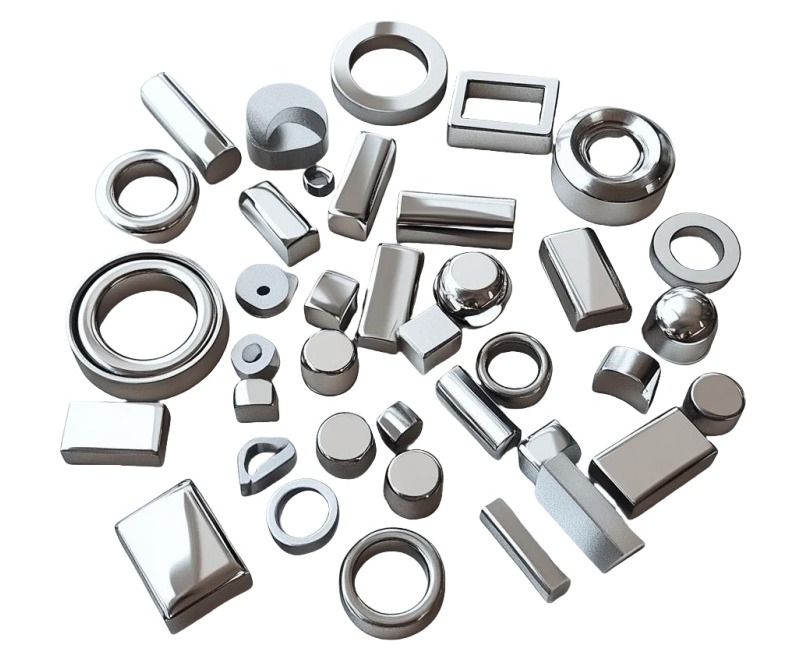
different size rare earth magnet

What are the applications of neodymium magnets in agricultural technology?

     Neodymium magnets, renowned for their remarkable strength and durability, are increasingly becoming indispensable in modern agriculture. As farming integrates more advanced technology, these powerful rare earth magnets contribute significantly to improving efficiency, boosting productivity, and ensuring food safety across the industry, playing a crucial role in the evolution of smarter and more sustainable farming practices.

  • chaep price n52 ndfeb magnets
  • made in China n35 block magnet
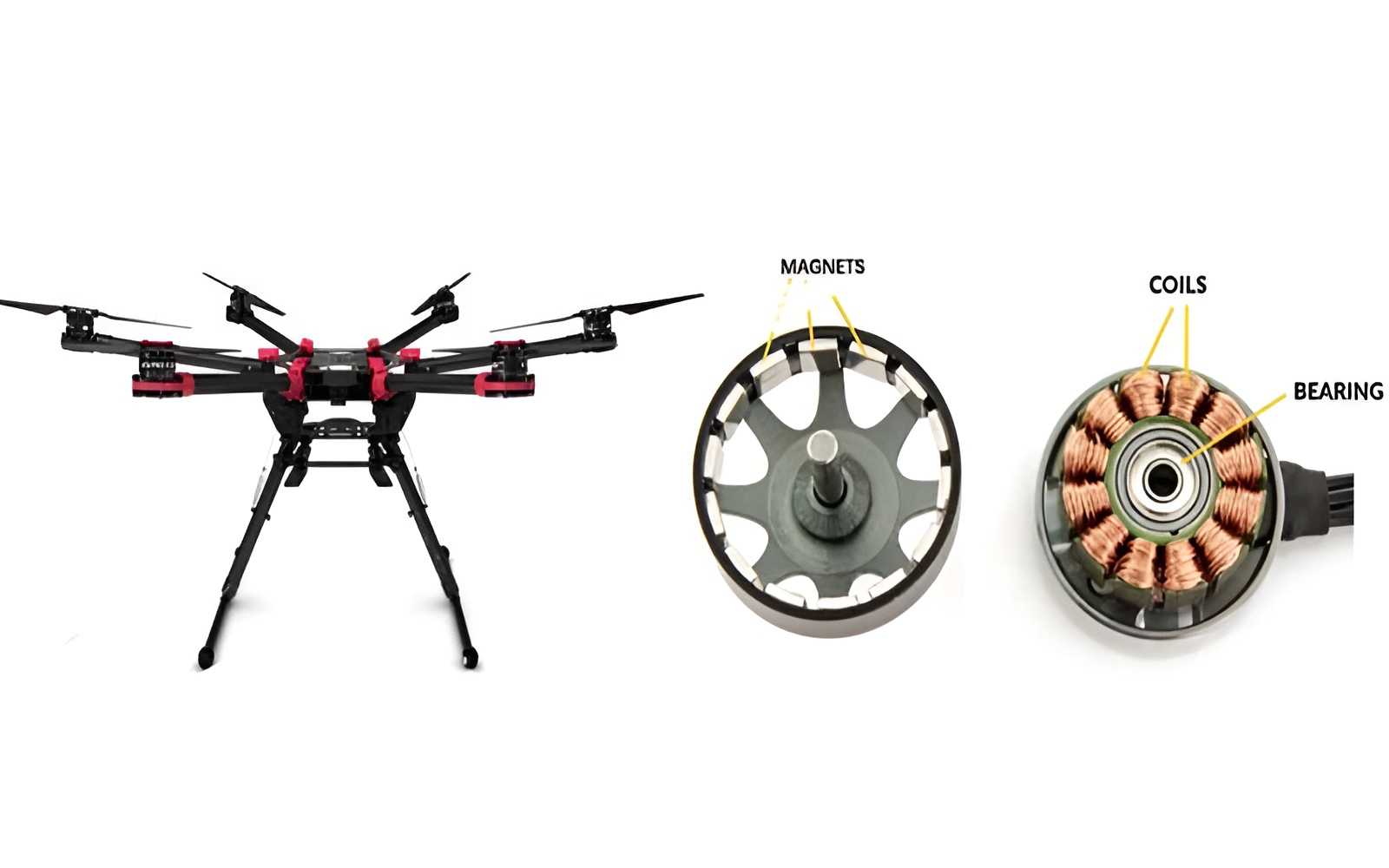
  • Large size ring magnet for motor


     One of the most prominent applications of neodymium magnets in agriculture is in machinery and equipment. Tools such as seed planters, irrigation systems, and harvesting machines rely on these magnets for precise control and automation. The strong magnetic forces help secure moving parts, minimizing mechanical breakdowns and reducing the need for frequent maintenance, which ultimately lowers operational costs.


     In livestock farming, small but potent neodymium magnets play an essential role in improving feed quality and animal health. Magnetic feeding systems use these magnets to remove metallic contaminants from animal feed, safeguarding against the ingestion of harmful substances. Additionally, magnetized water treatment systems, which use small strong neodymium magnets to alter water properties, are thought to enhance hydration and nutrient absorption in livestock. This, in turn, helps maintain healthier animals, improve their growth, and increase overall yields.


Made in China neodymium magnets


     Neodymium magnets also support agricultural waste management and recycling. Magnetic separation technology is commonly used to extract metallic debris from organic waste, which facilitates more efficient composting and biofuel production. This process not only helps reduce the environmental impact of farming but also contributes to more sustainable practices in agricultural operations, ensuring that valuable resources are repurposed effectively and minimizing overall waste.


     Another area where these magnets have proven beneficial is in precision farming. High temperature resistant neodymium magnets are integral to sensors used in precision farming systems, ensuring accurate and stable data collection. This precision allows farmers to optimize their use of resources like fertilizers and pesticides, resulting in better crop yields while minimizing waste and environmental damage.


Low price rare earth magnets


     As the agricultural sector continues to embrace new technologies, the use of neodymium magnets is expected to expand further. Their ability to enhance machinery performance, protect livestock health, support sustainable waste management, and enable precision farming makes them a vital asset in the quest for more efficient and sustainable farming practices. With the integration of these good quality ndfeb magnets, the future of agriculture looks increasingly productive and environmentally conscious. Additionally, these magnets enhance the automation of agricultural equipment, enabling farmers to achieve smarter and more efficient field management.

What is the relationship between neodymium magnets and 5G technology?

     With the rapid adoption of 5G technology, the global telecommunications industry is undergoing a revolutionary transformation. In this transformation, neodymium magnets (NdFeB magnets), as high-performance permanent magnetic materials, play an indispensable role. Although neodymium magnets are not visible in 5G devices, they are a critical component ensuring the efficient operation of communication equipment.  


Customized neodymium magnets


Neodymium Magnets in 5G Base Stations


     5G base stations are the core infrastructure of 5G networks, and their performance directly determines network coverage and transmission speed. Great performance neodymium magnets play a vital role in the antenna systems and motors of 5G base stations:  

- Antenna Adjustment Motors: Base station antennas require high-precision and stable motors to adjust their direction, ensuring optimal signal transmission. Neodymium magnets, with their high magnetic energy product and excellent temperature stability, are the ideal choice for these motors.  

- Filters and Oscillators: Neodymium magnets are also used in filters and oscillators within base stations, components crucial for signal purity and stability.  


The Key Role of Neodymium Magnets in Smartphones


     5G smartphones are the primary devices through which users interact with 5G networks, and high quality neodymium magnets play a significant role here as well:  

- Antenna Modules: 5G phones have more antennas than 4G devices and require higher precision to support multi-band signal transmission. Neodymium magnets, with their compact size and high efficiency, meet these demanding requirements.  

- Speakers and Vibration Motors: Smartphone speakers and vibration motors also rely on neodymium magnets to deliver stronger performance and lower energy consumption, enhancing the user experience.  


Neodymium Magnets for Smartphones


Other Applications of Neodymium Magnets in Communication Equipment


     Beyond base stations and smartphones, neodymium magnets are widely used in other 5G communication equipment:  

- Fiber Optic Communication Systems: Optical isolators and circulators use neodymium magnets to ensure one-way transmission of light signals, improving communication stability and efficiency.  

- Small Cells and Distributed Antenna Systems (DAS): Small cells and DAS in 5G networks also require neodymium magnets to support their efficient operation.  


How 5G Technology Drives Demand for Neodymium Magnets


     The rapid development of 5G technology has significantly impacted the demand for neodymium magnets:  

- Base Station Construction: The number of 5G base stations worldwide is expected to grow substantially in the coming years, directly driving demand for neodymium magnets.  

- Proliferation of End Devices: As 5G smartphones and other end devices become more widespread, the neodymium magnets market will continue to expand.  

- Supply Chain Challenges: The production of neodymium magnets relies on rare earth resources, particularly neodymium and praseodymium, making the stability of their supply chain a critical concern for the industry.  


Cylinder neodymium magnets in circuits


Future Outlook


     As 5G technology continues to evolve, the applications of neodymium magnets in communication equipment will become even more extensive:  

- 6G Technology: Research into 6G technology has already begun, and neodymium magnets are expected to play a greater role in higher frequency bands and more complex technical scenarios.  

- Sustainability: With the increasing scarcity of rare earth resources, recycling neodymium magnets and researching alternative materials will become important future directions.